
Yakut Knife
Handmade Yakutian knives from master craftsmen of Sakha Republic
-

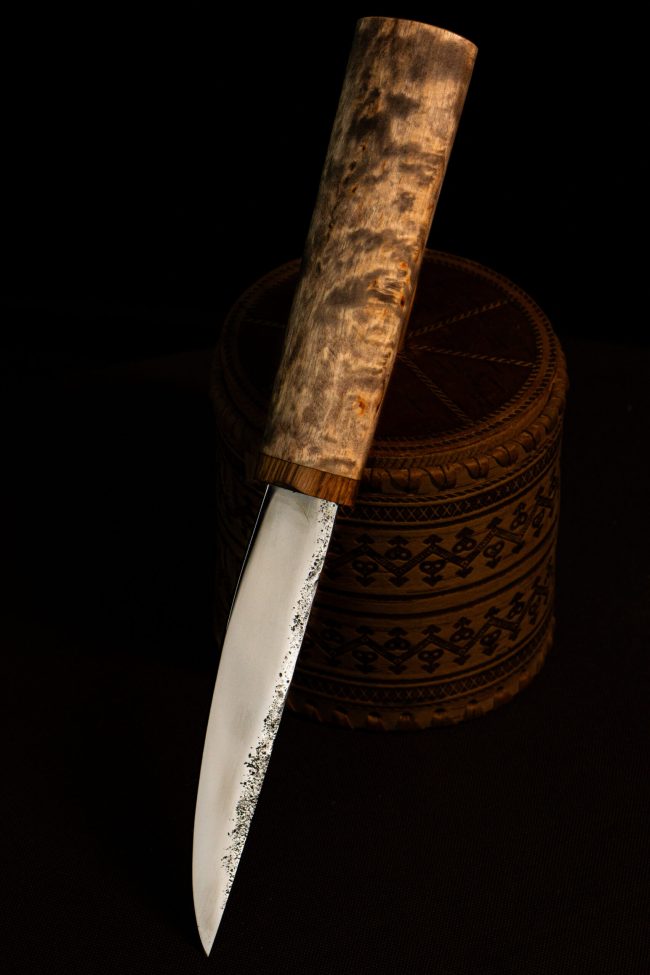 Yakut Knife
Ancestral Blade — Left-Handed
A Yakut knife with a traditional Northern silhouette, crafted specifically…
$189 -
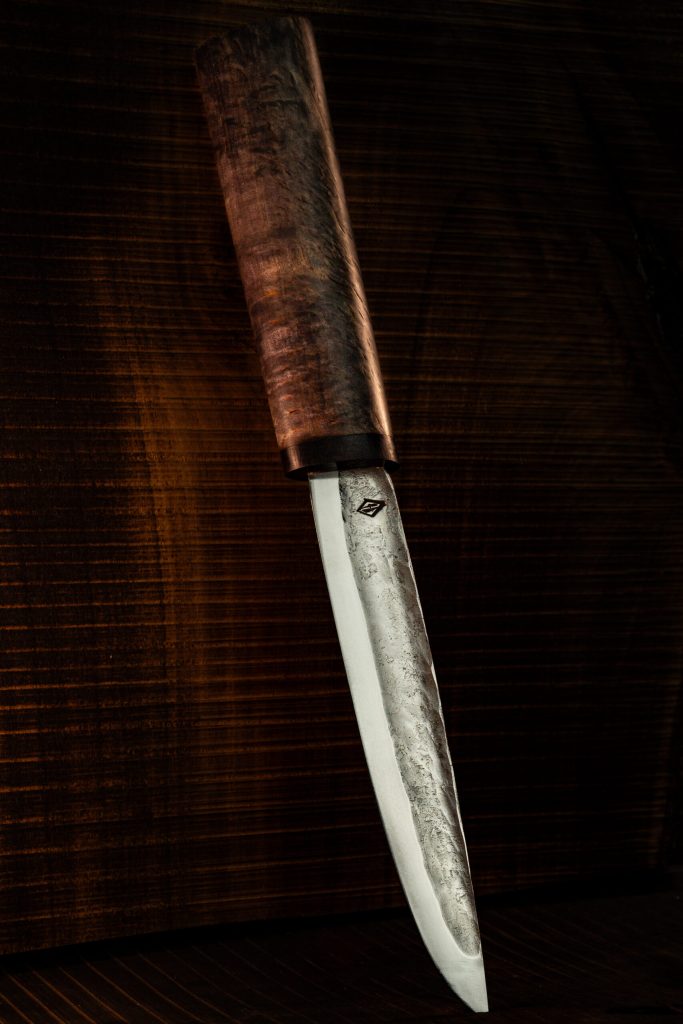
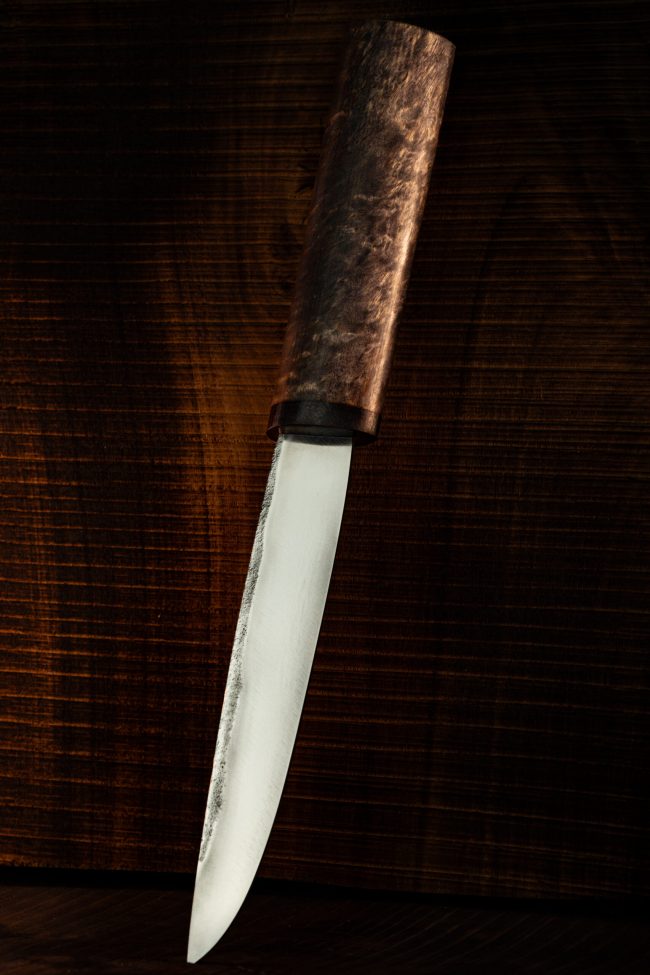
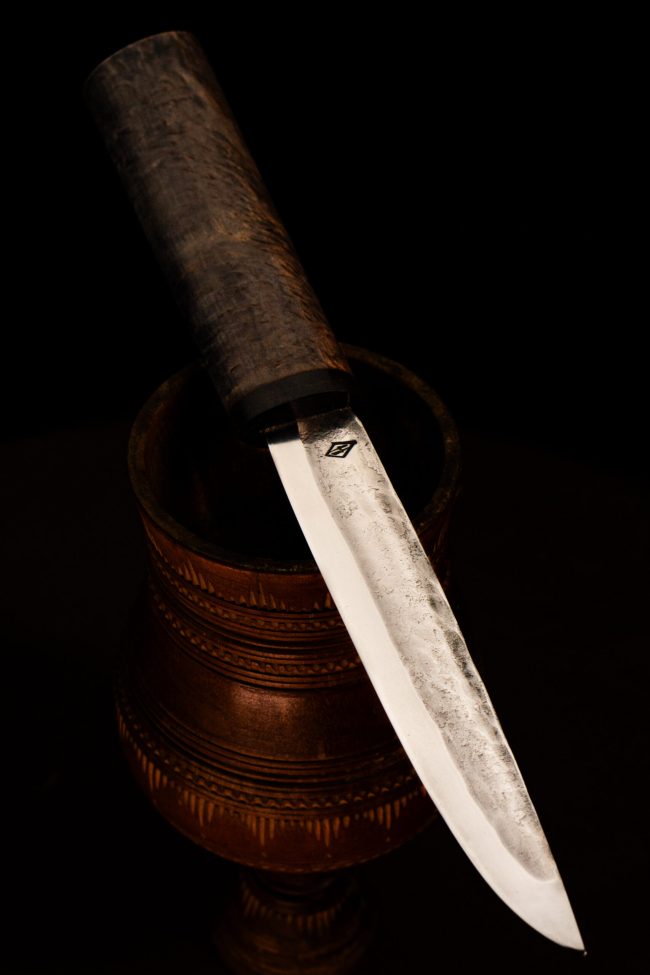
 Hunting Knife
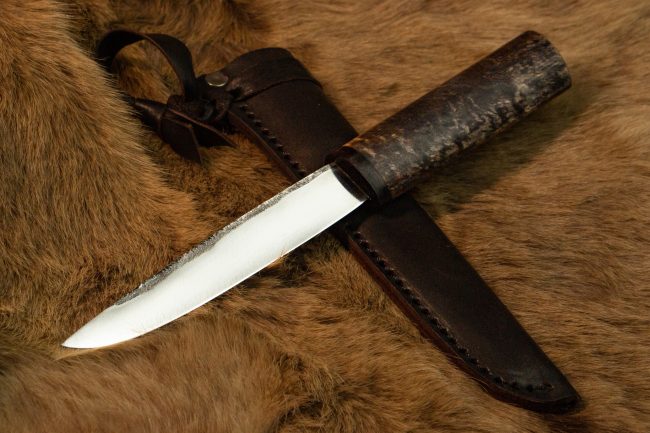
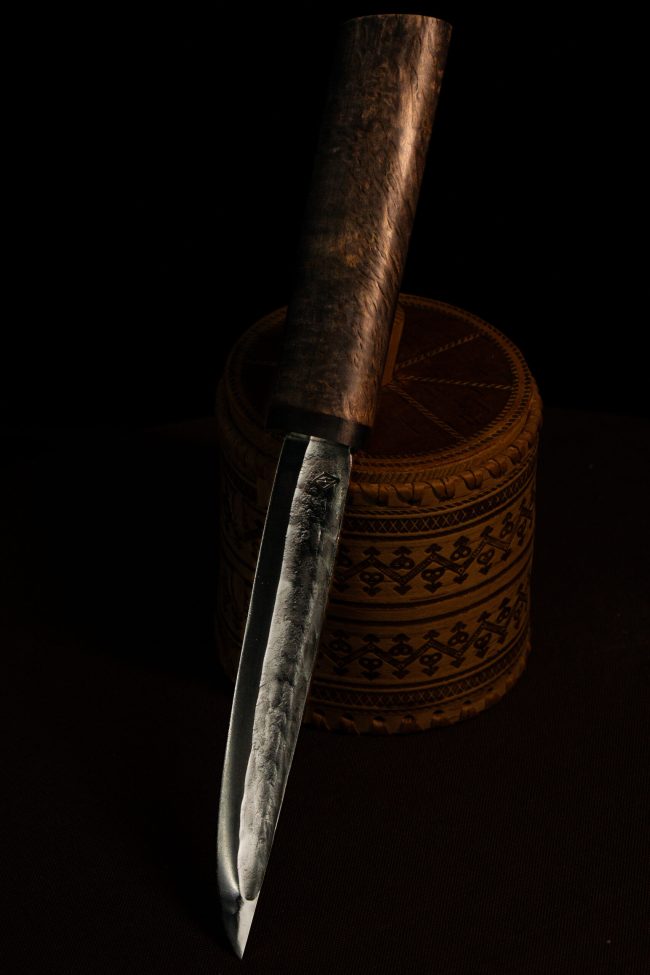
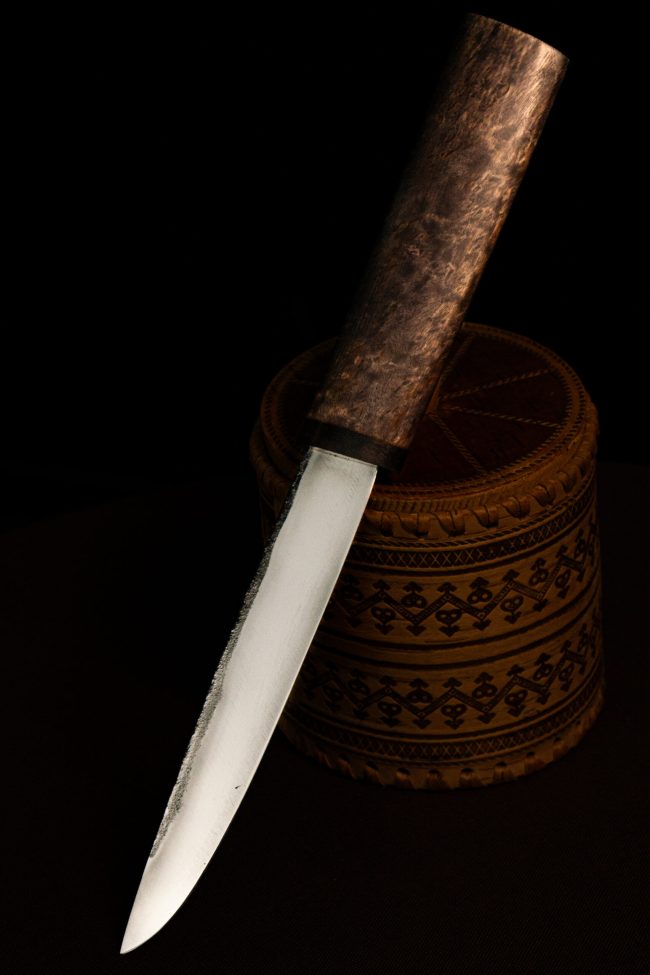
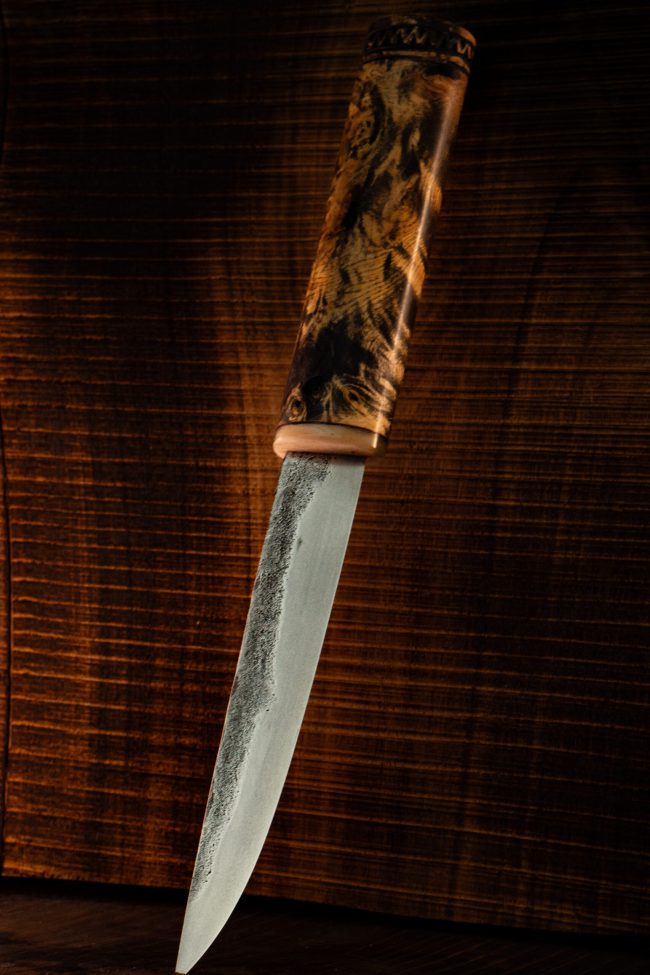
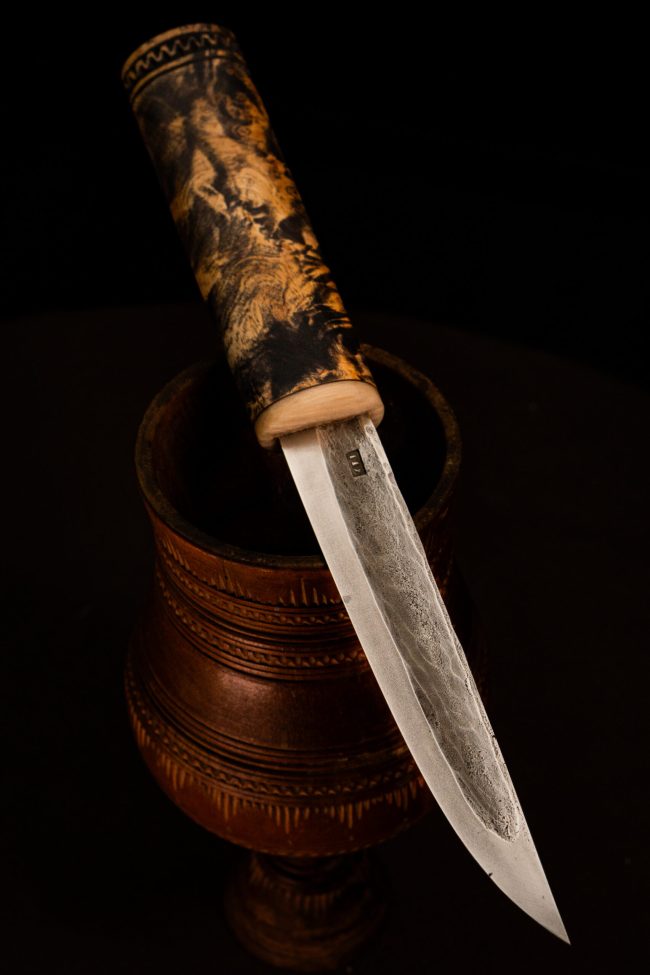
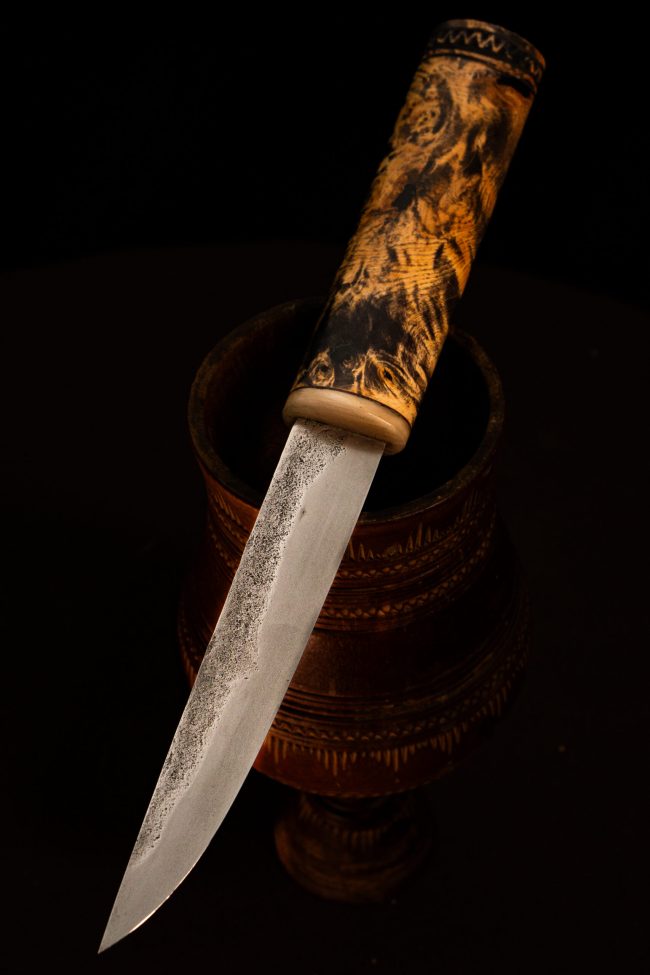
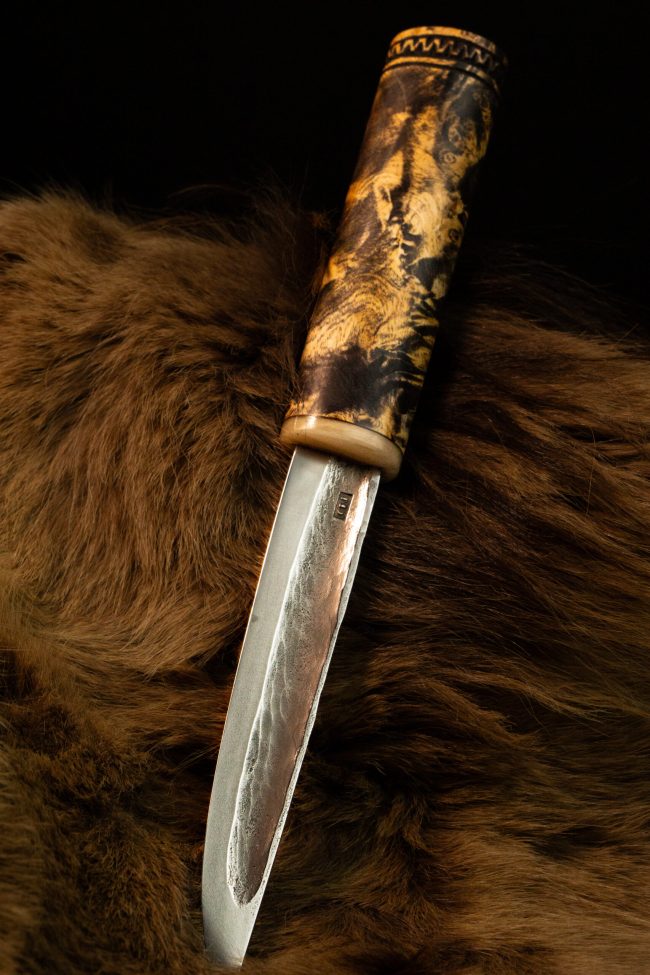
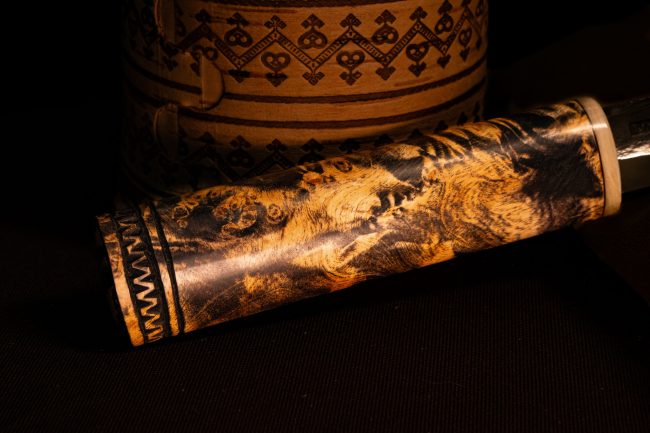
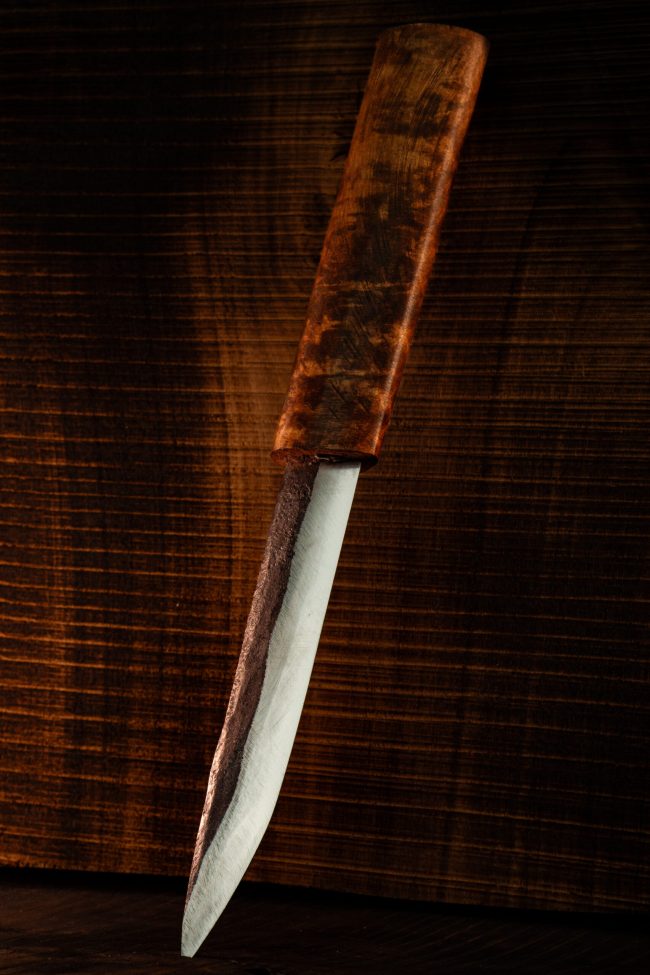
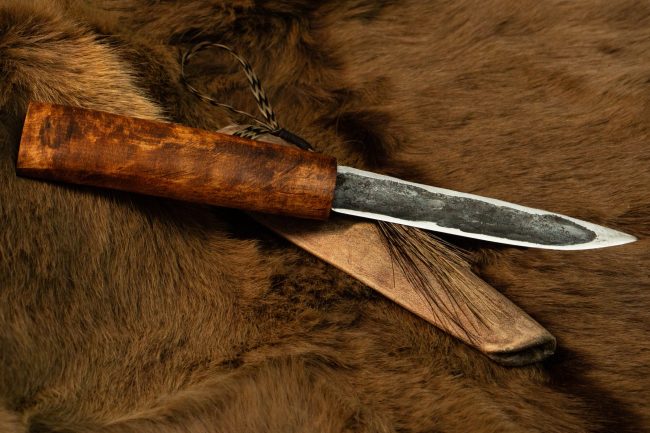
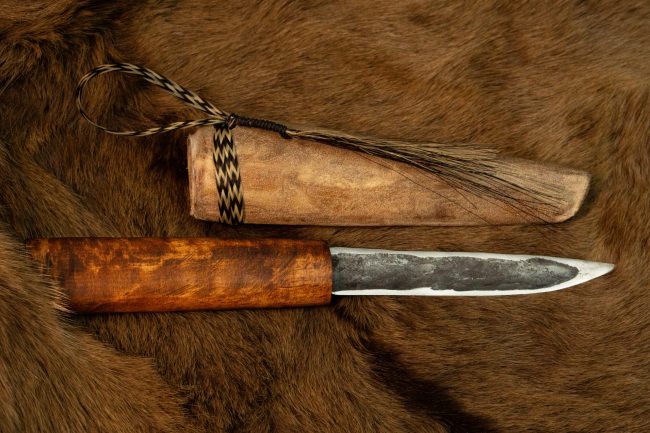
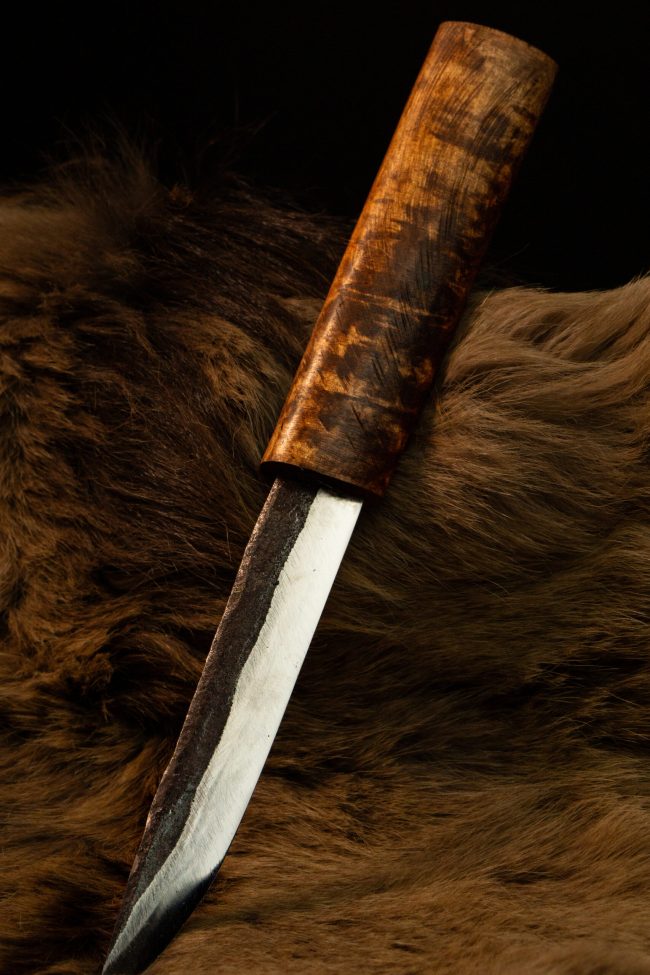
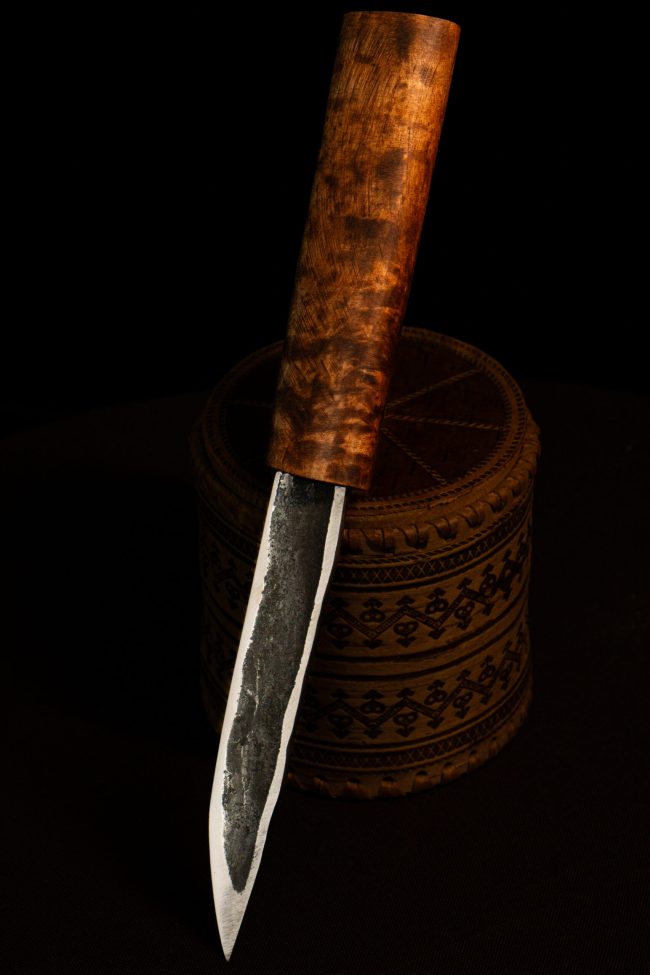
Black Fang — Khara
Restrained, dark, composed. “Khara” in Yakut tradition means black —…
$239 -
-

-


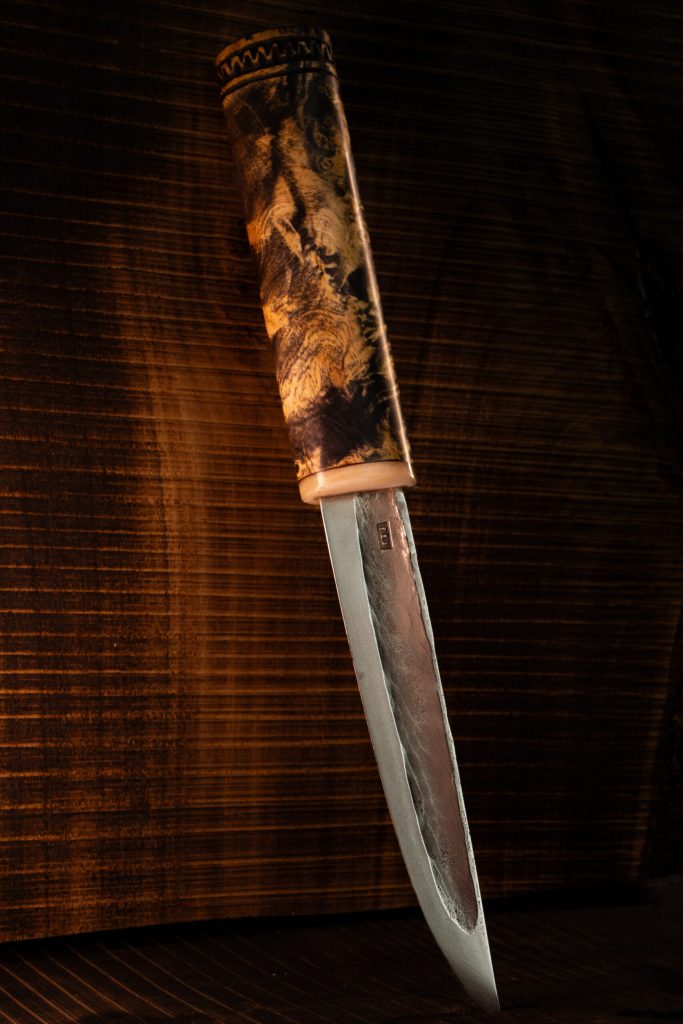
 Hunting Knife
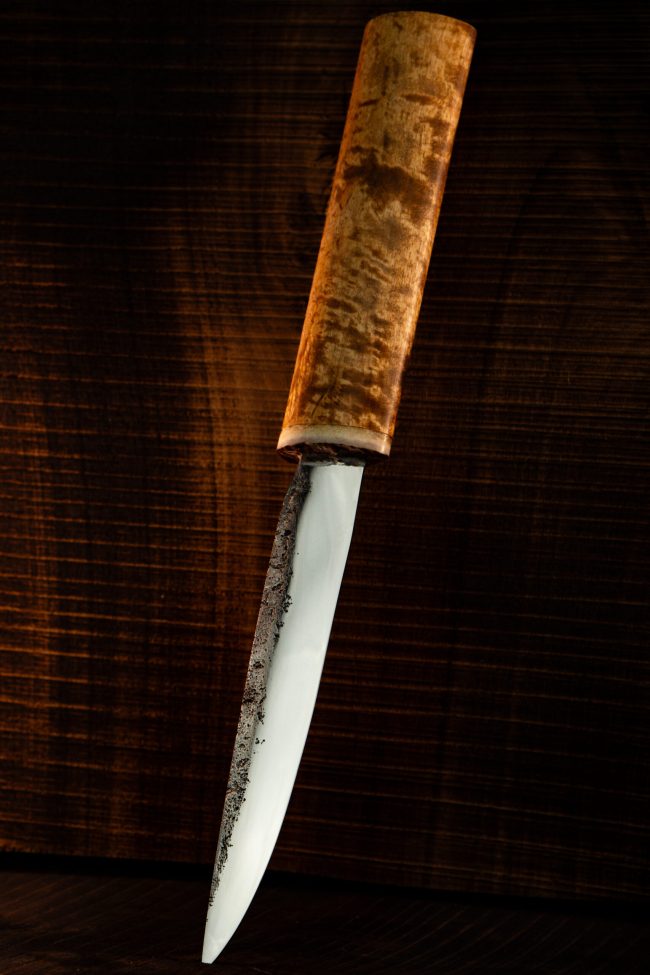
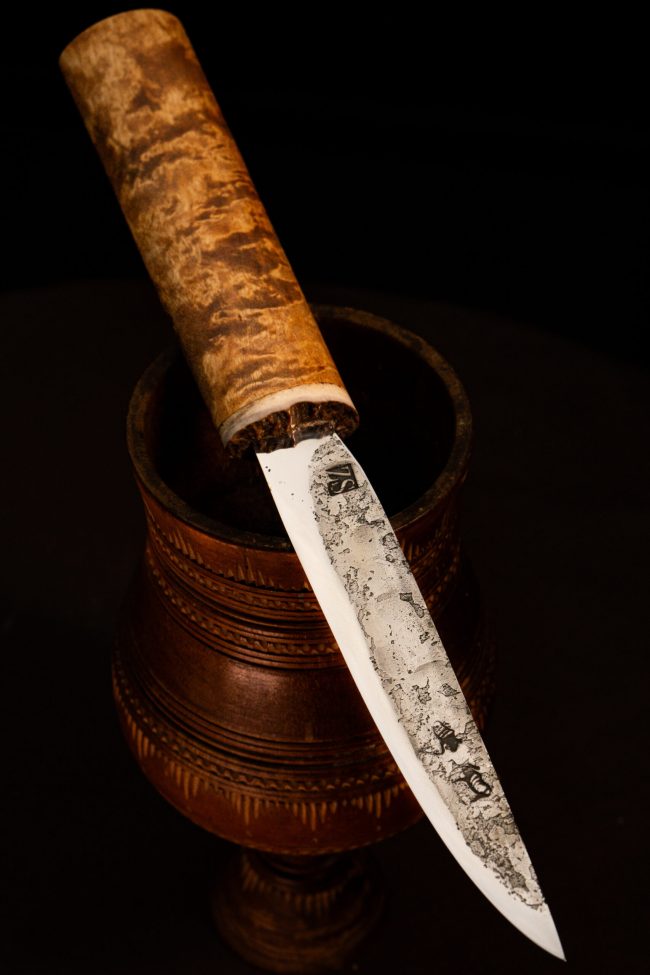
Call of the Taiga
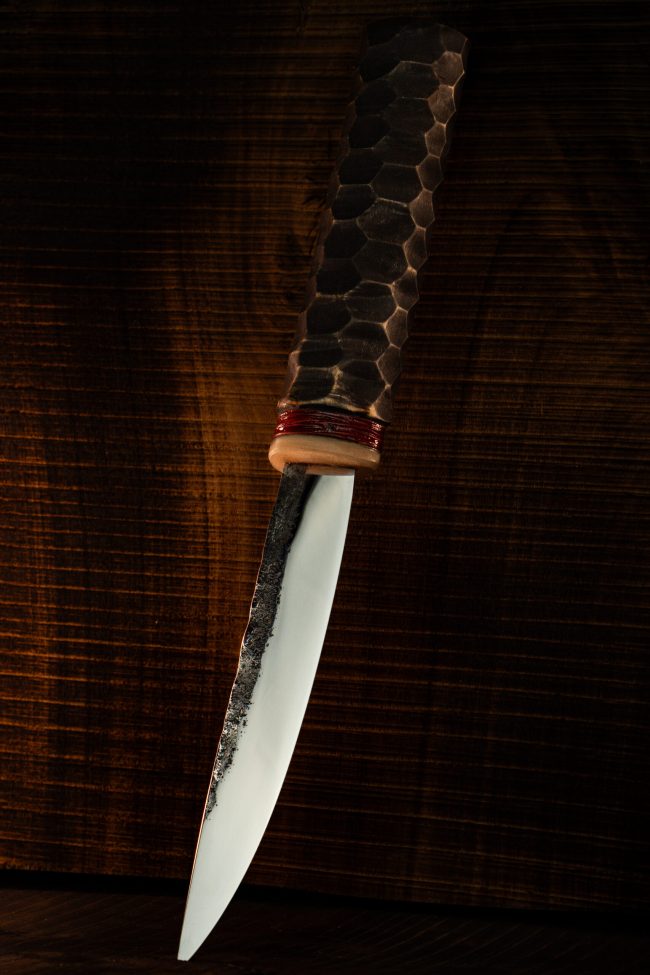
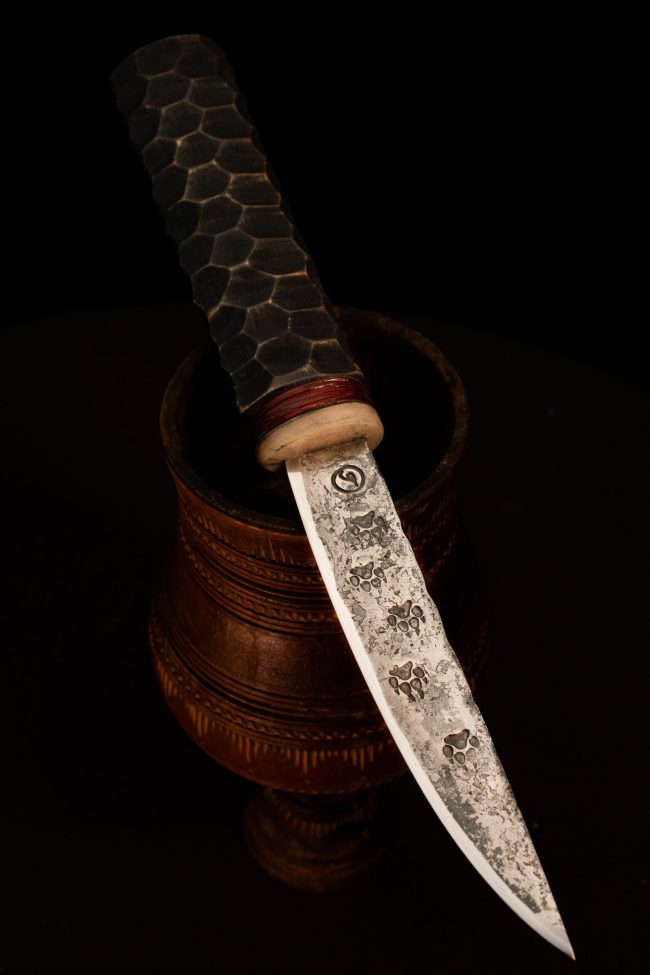
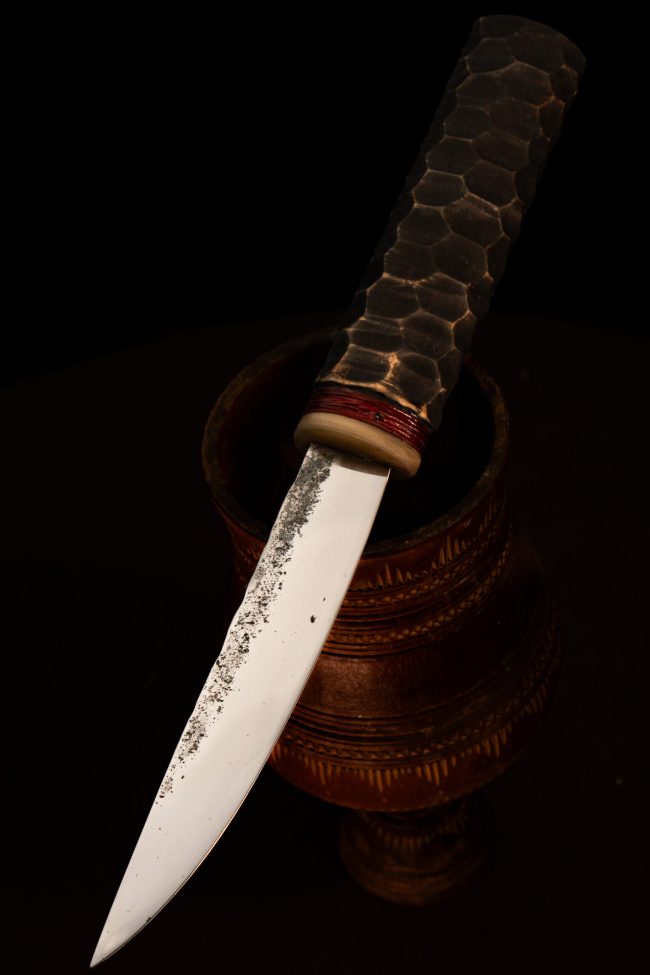
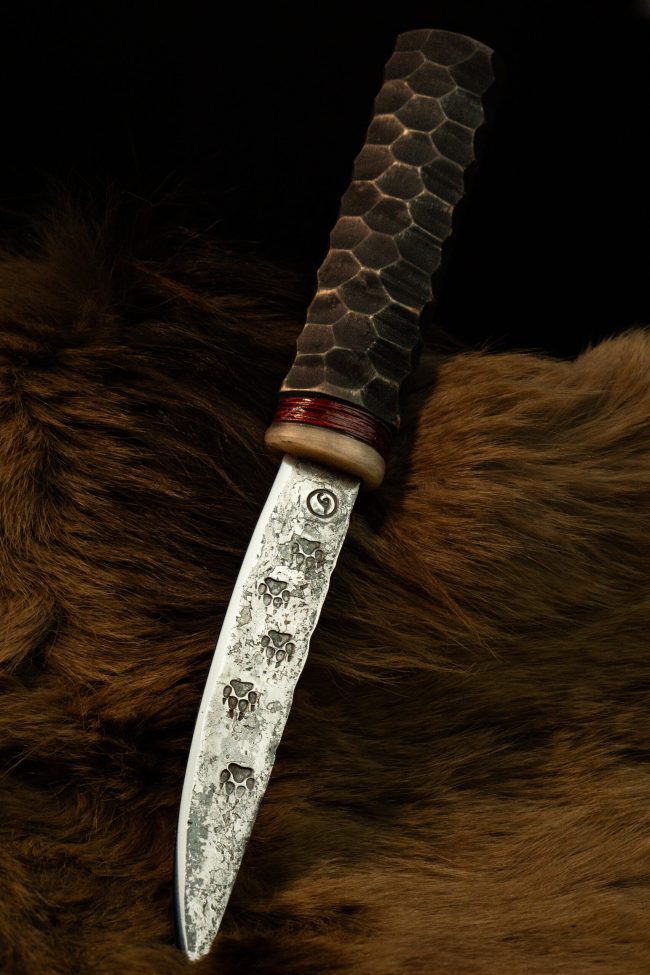
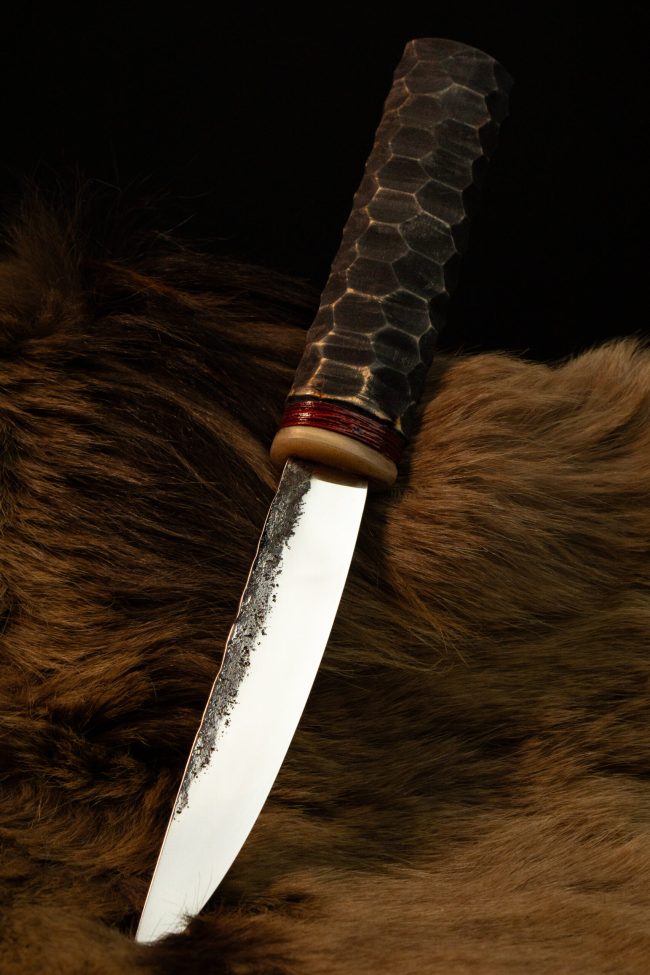
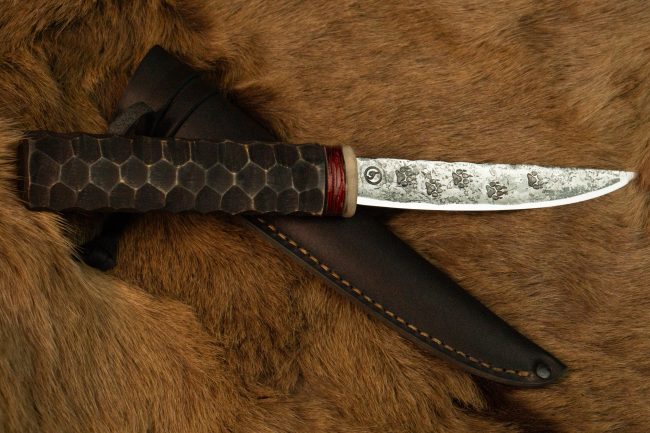
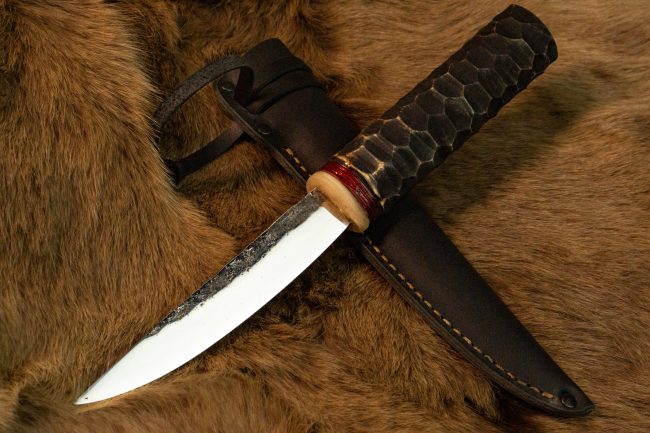
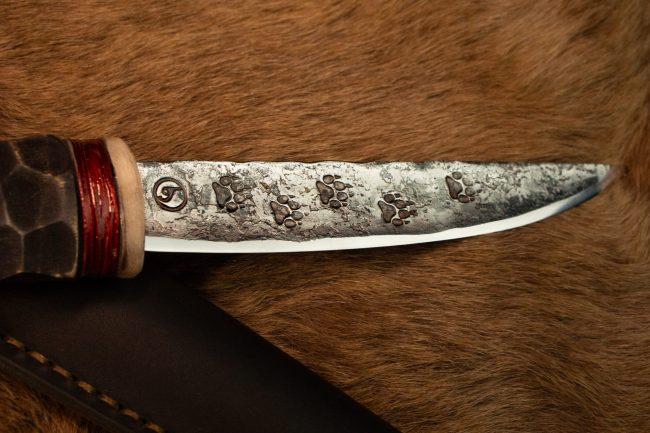
Handmade Yakut knife — a combination of traditional design, practicality,…
$289 -

-
-
-

-


-


 Hunting Knife
Taiga Dweller — Taigas
A knife with a Northern character, combining true handwork, everyday…
$239 -

What makes a Yakut knife different
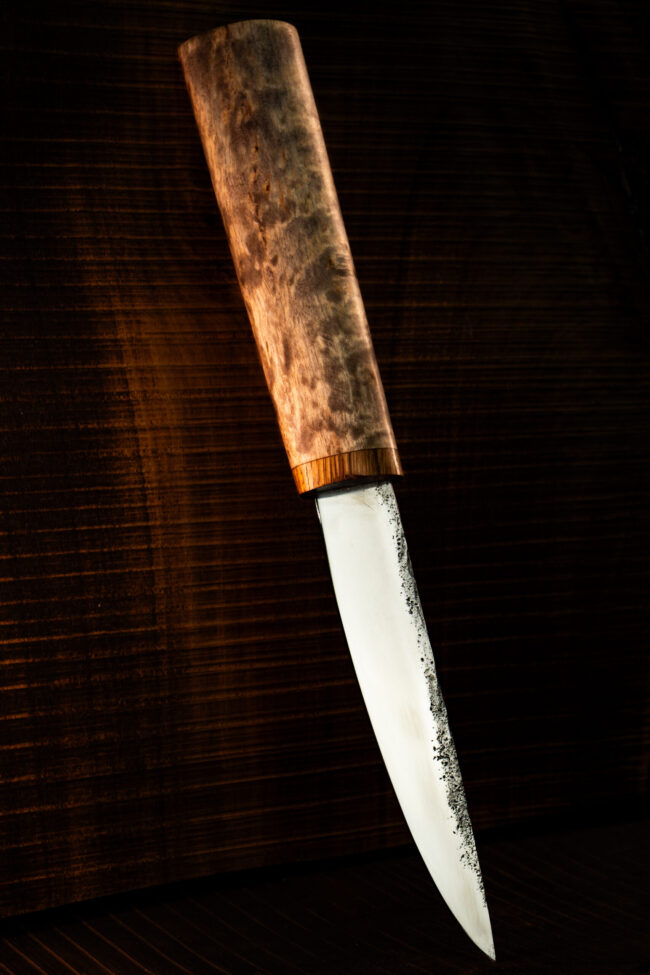
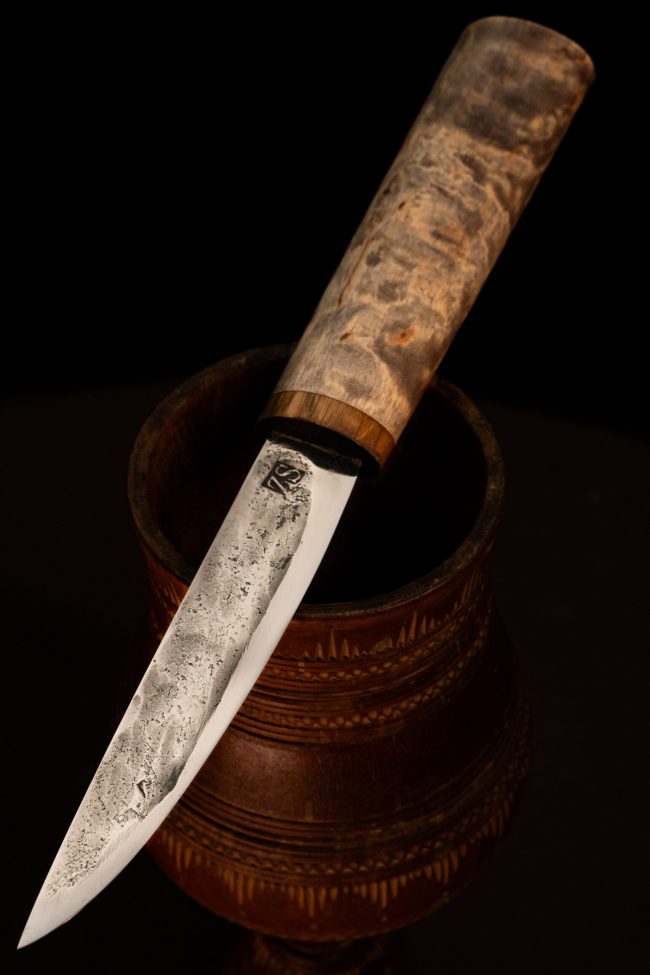
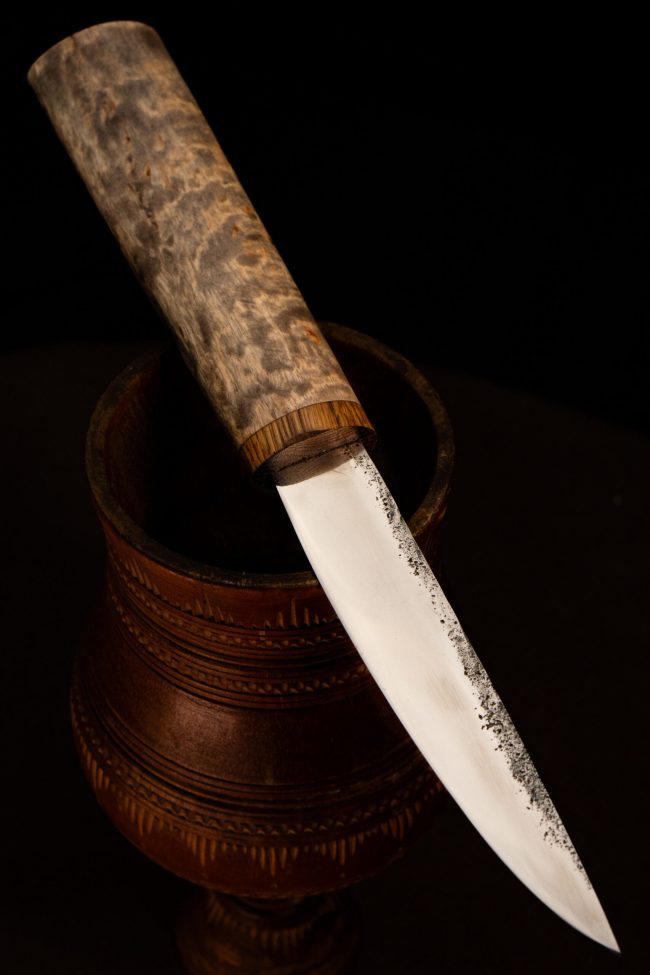
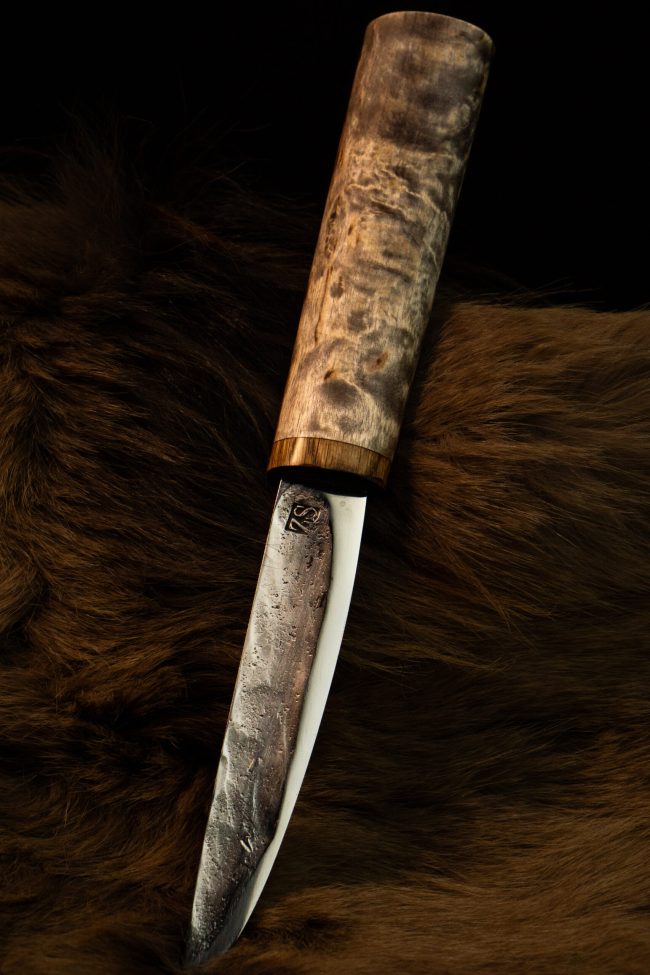
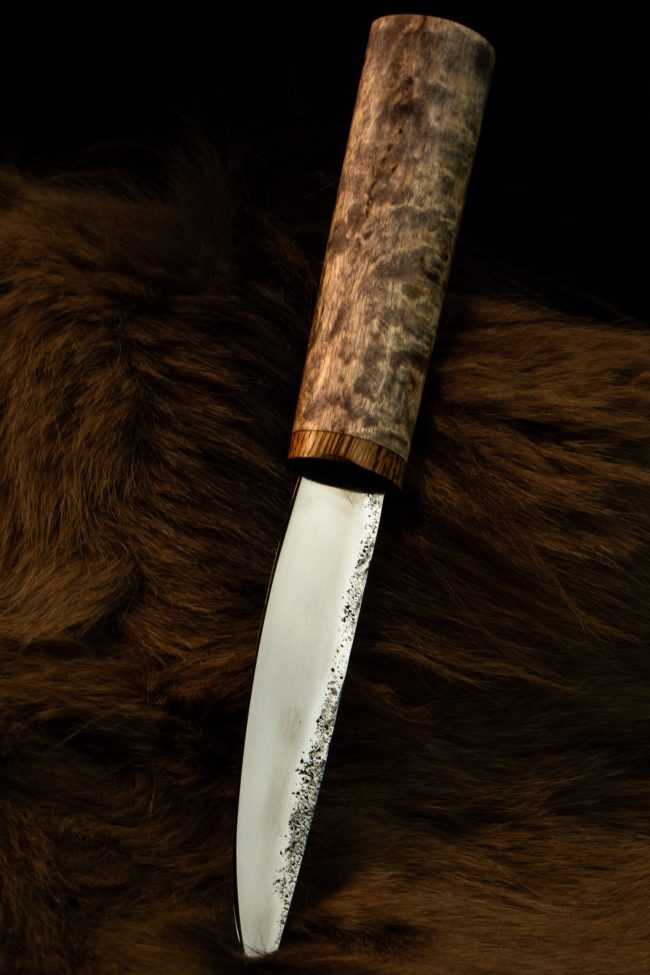
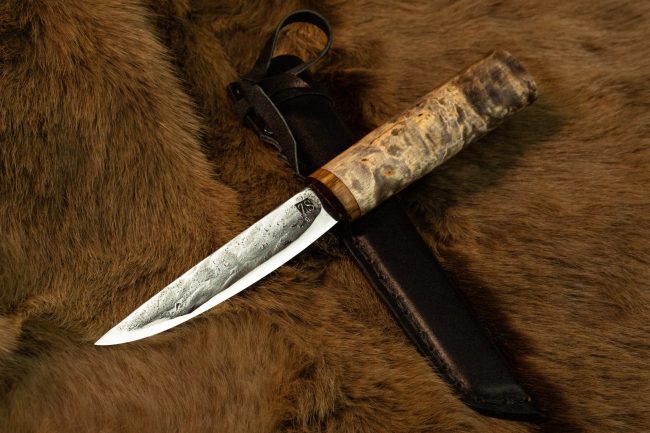
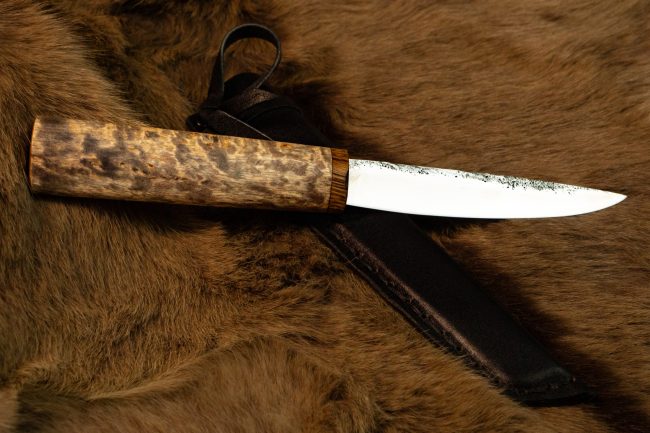
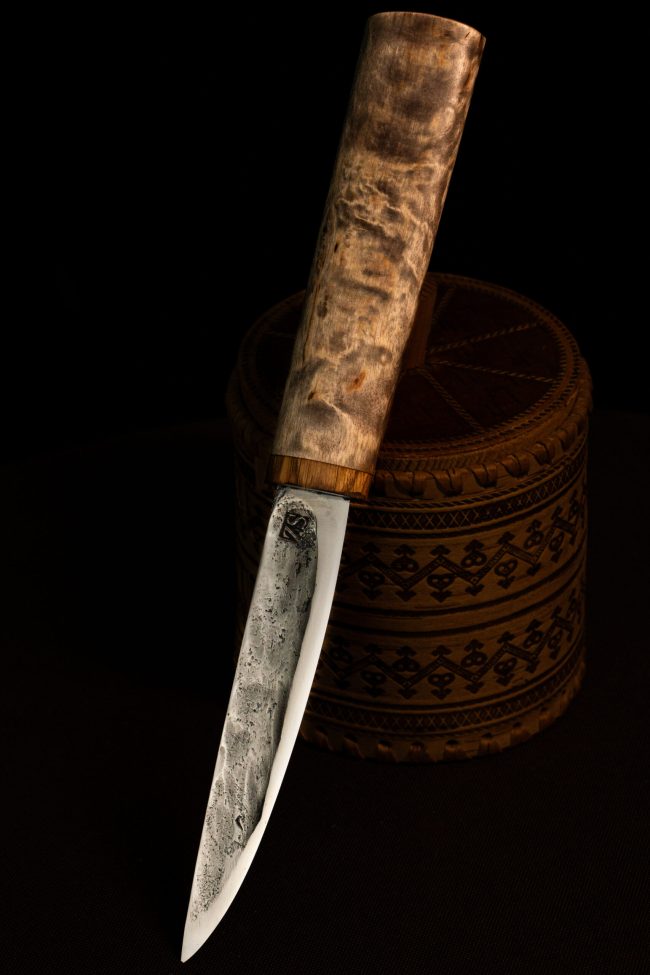
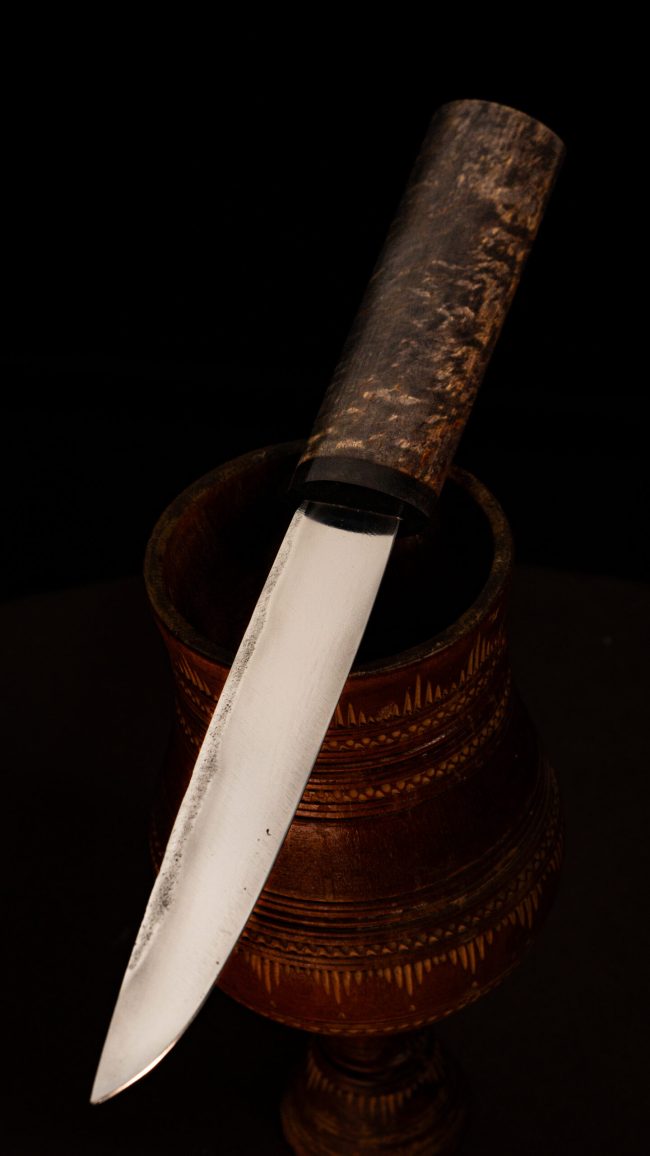
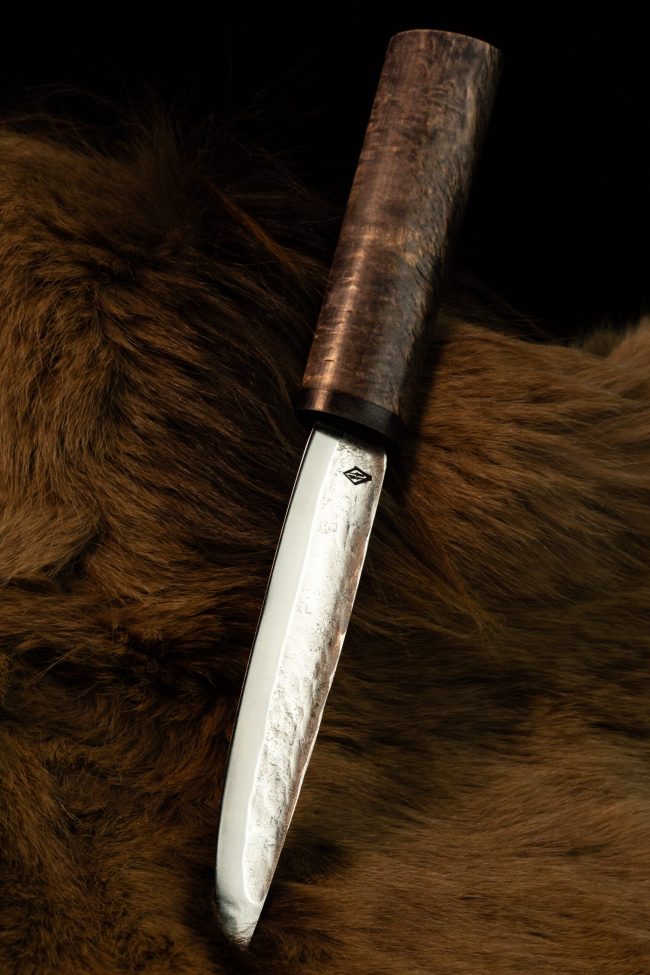
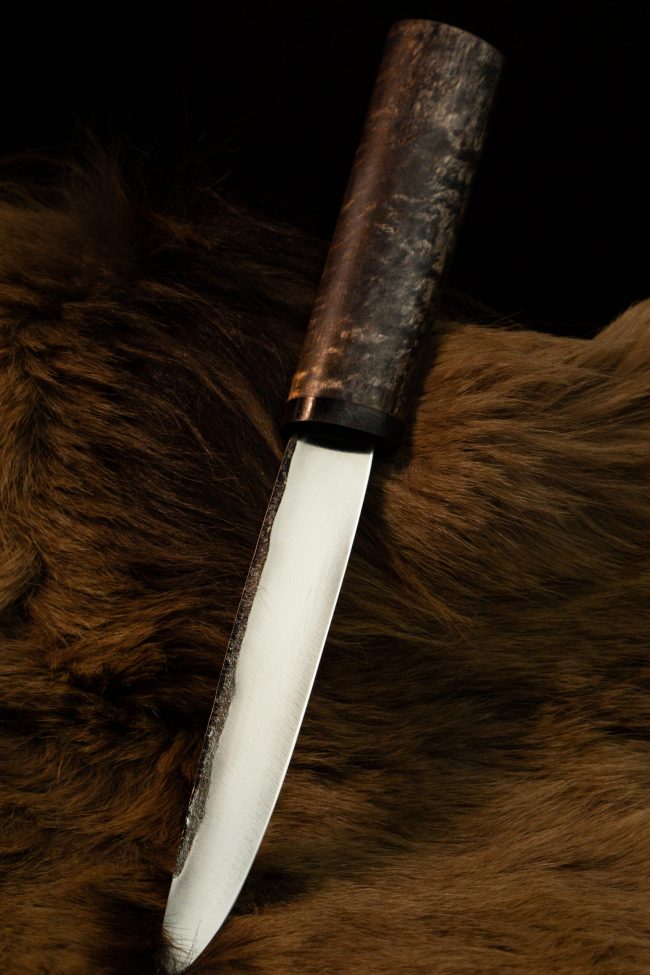
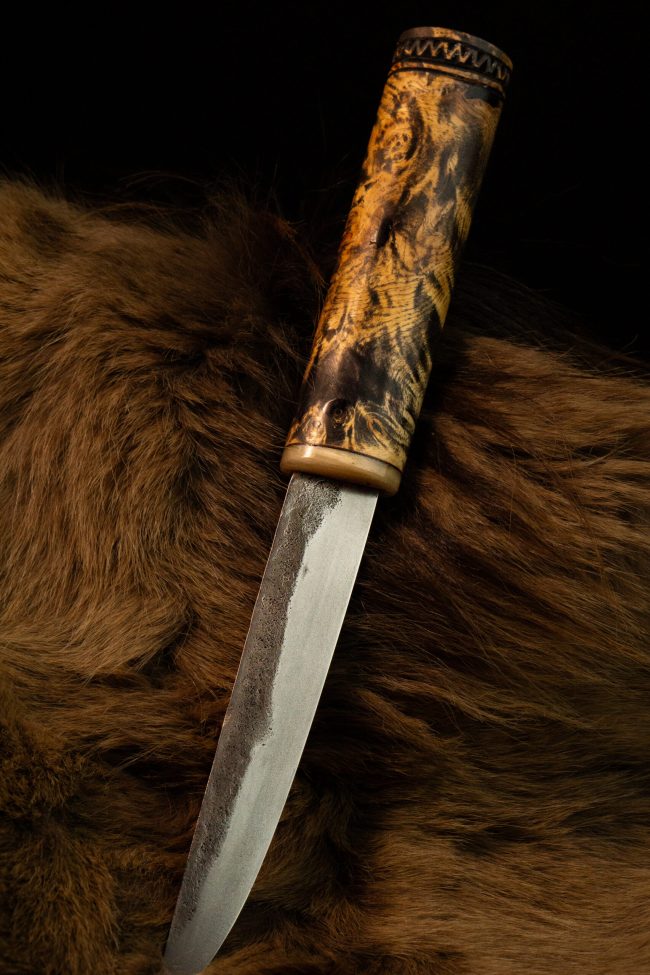
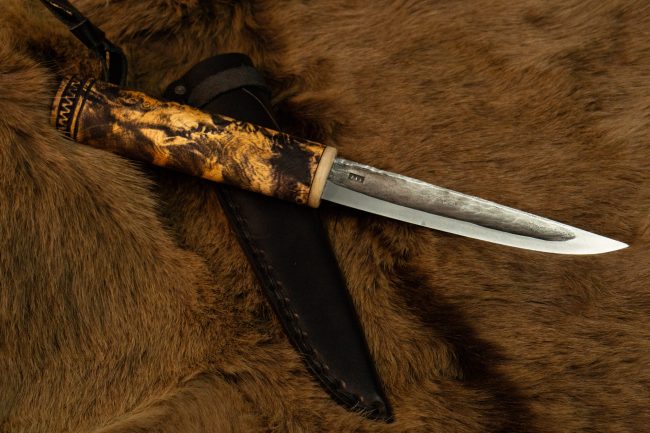
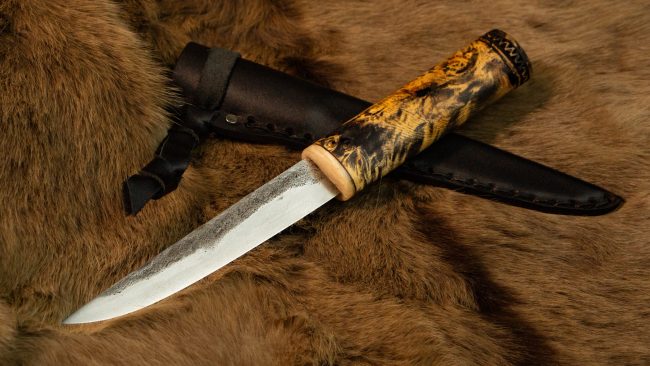
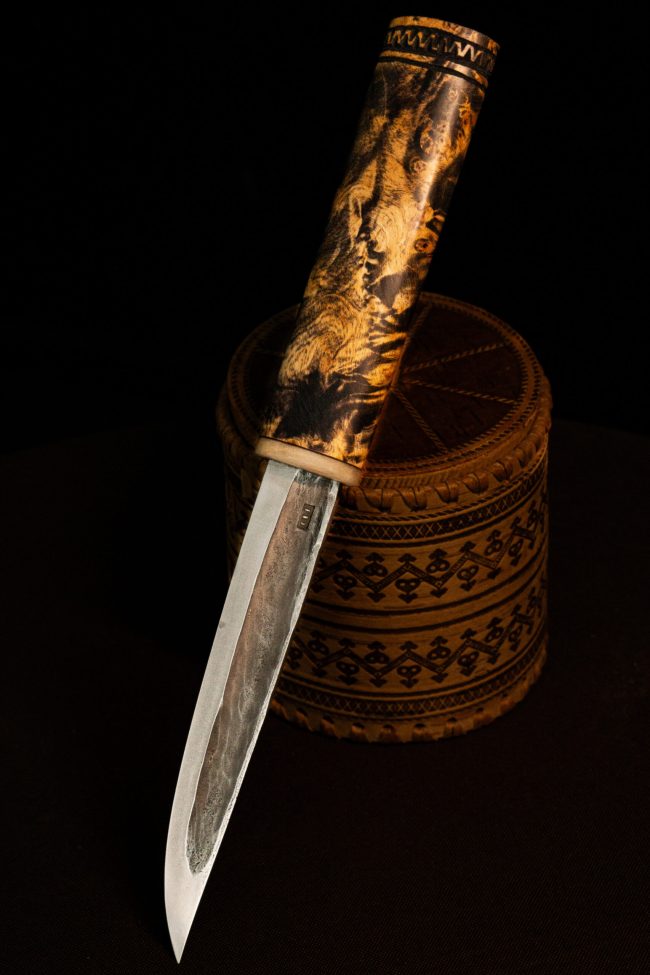
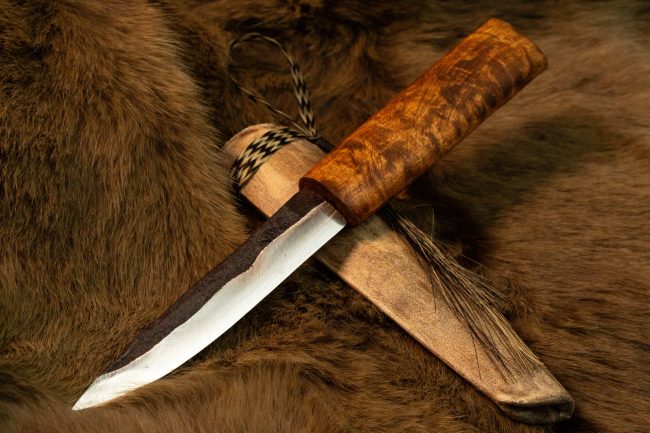
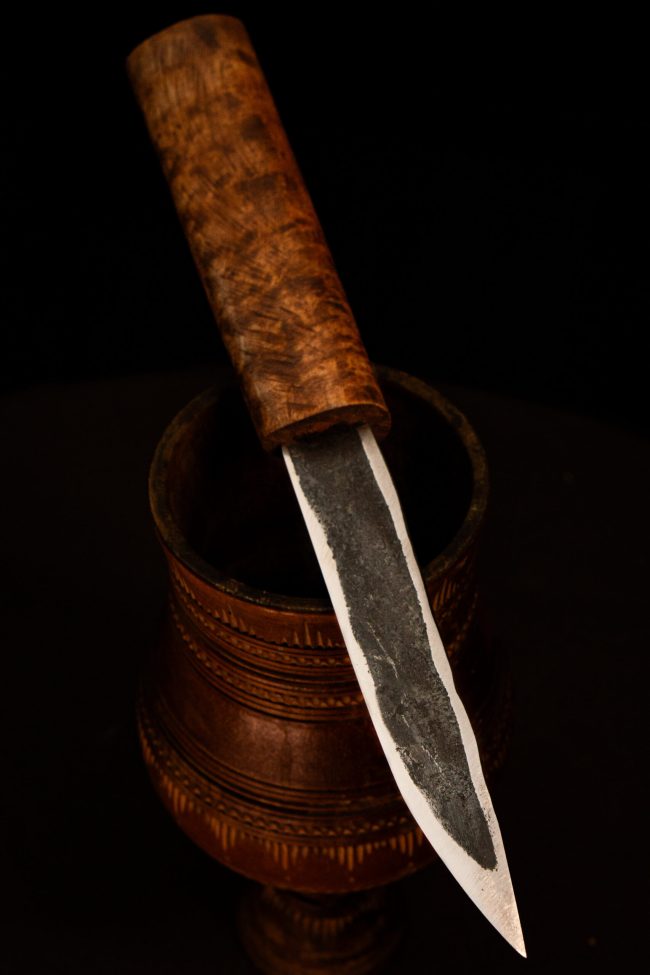
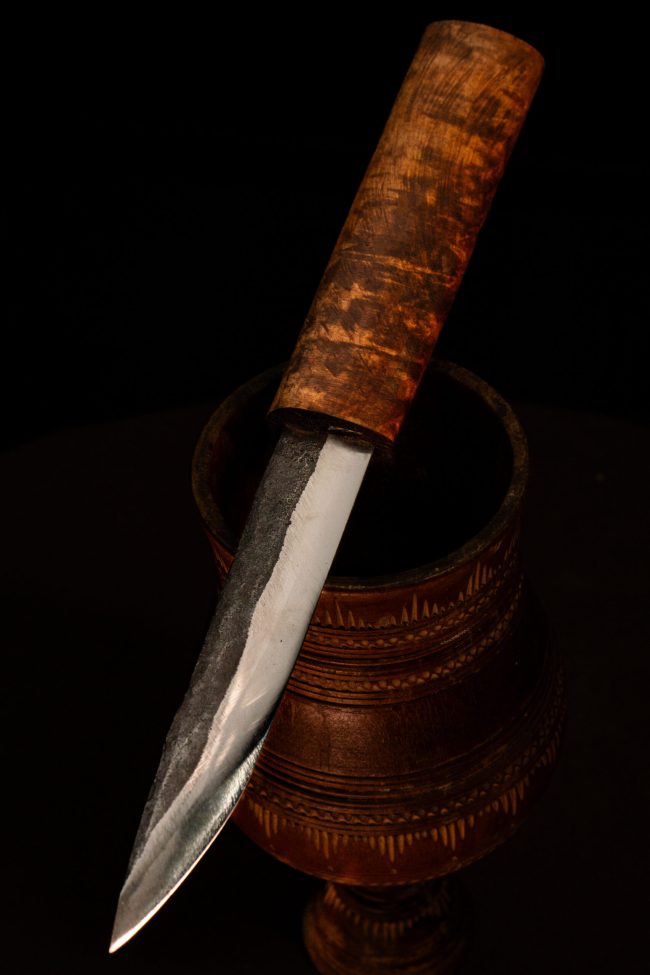
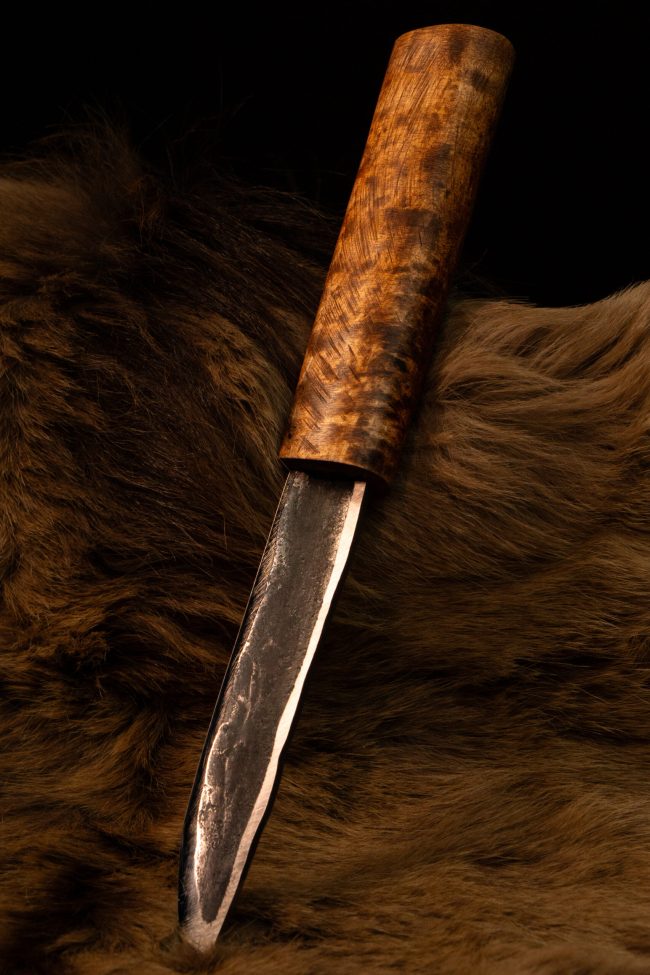
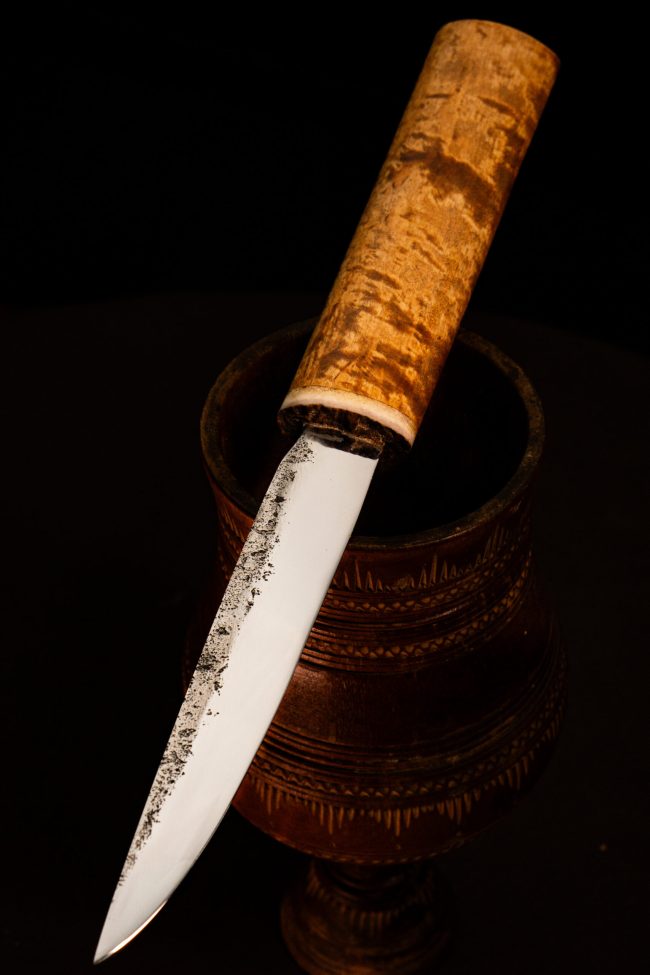
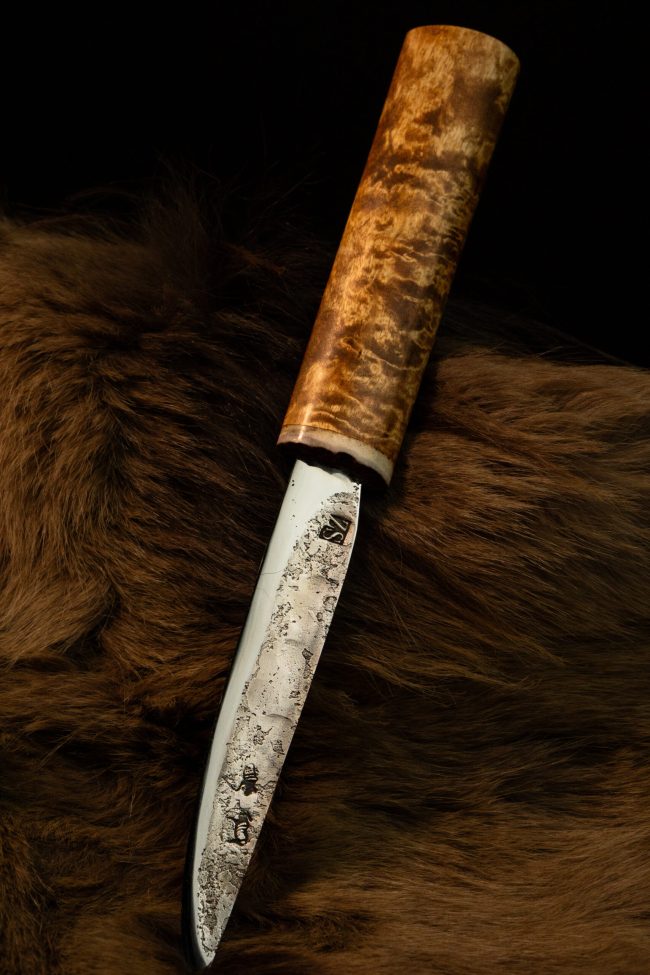
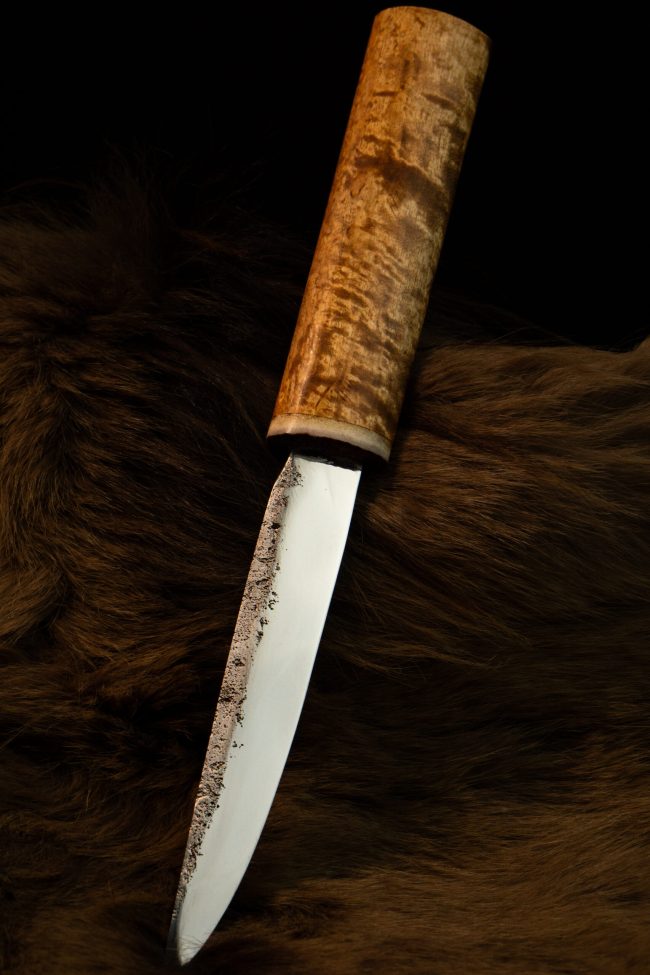
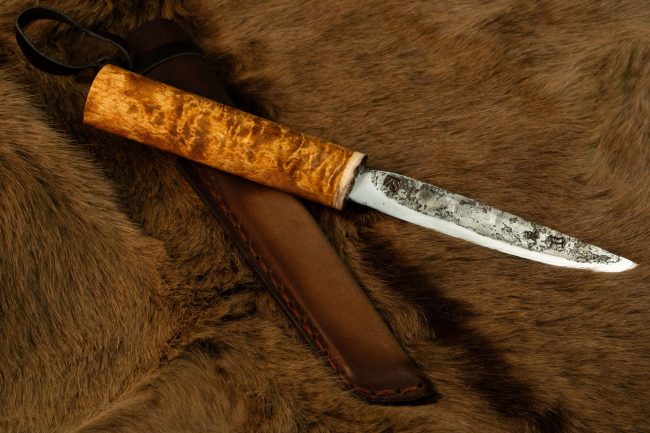
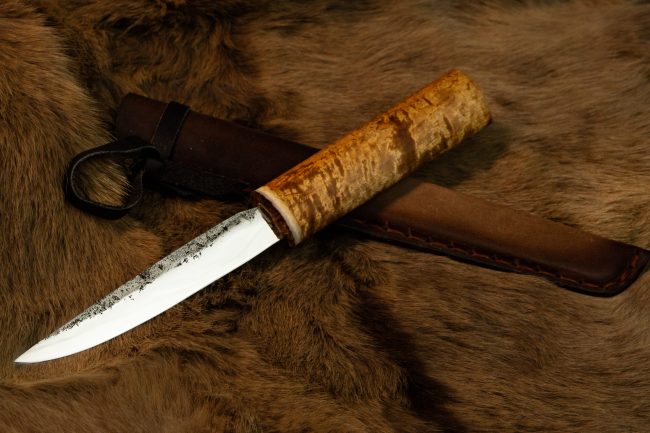
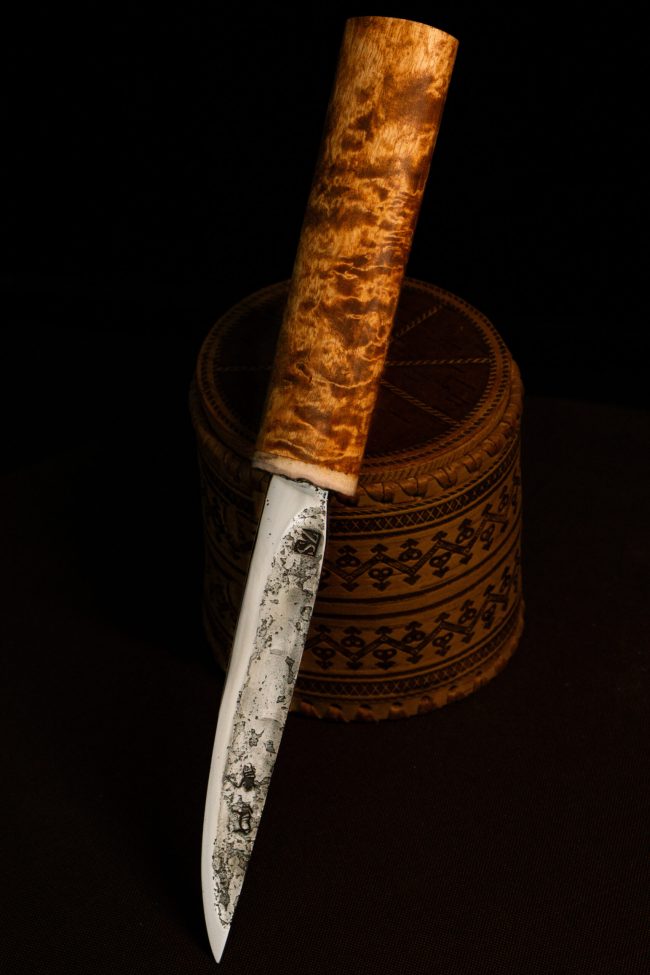
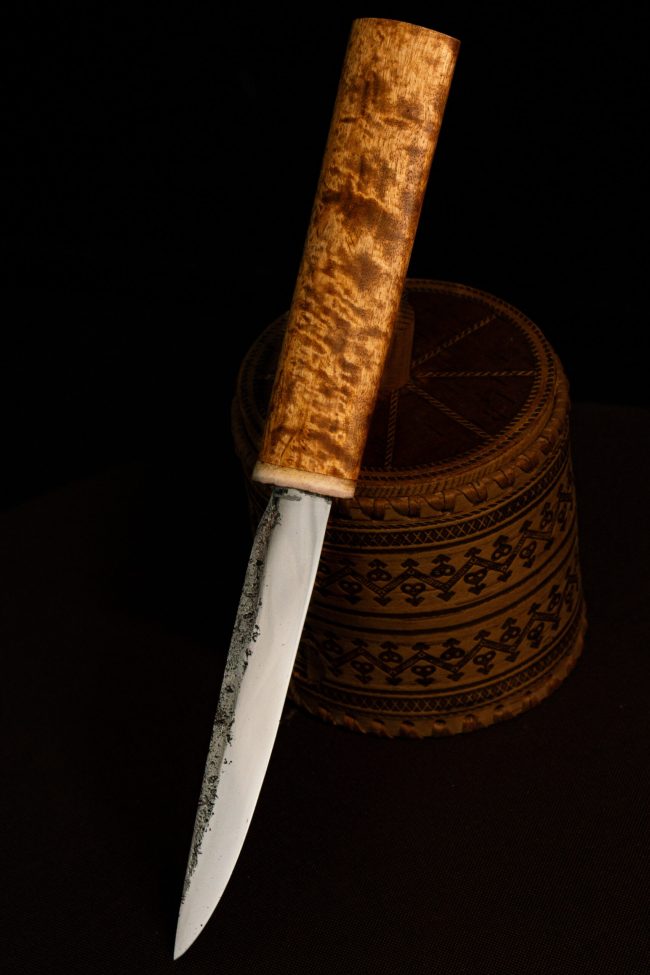
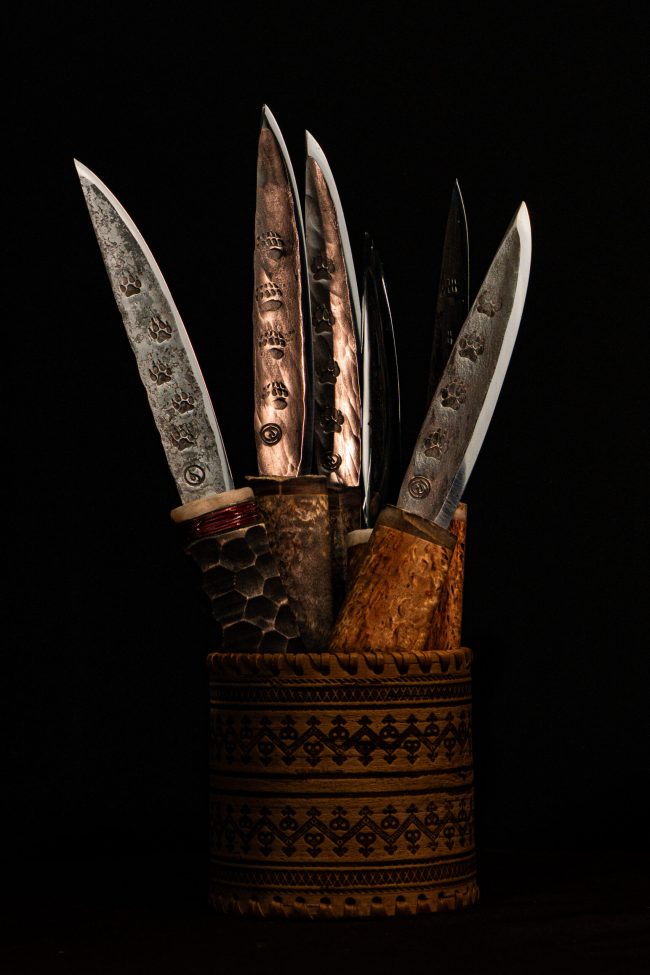
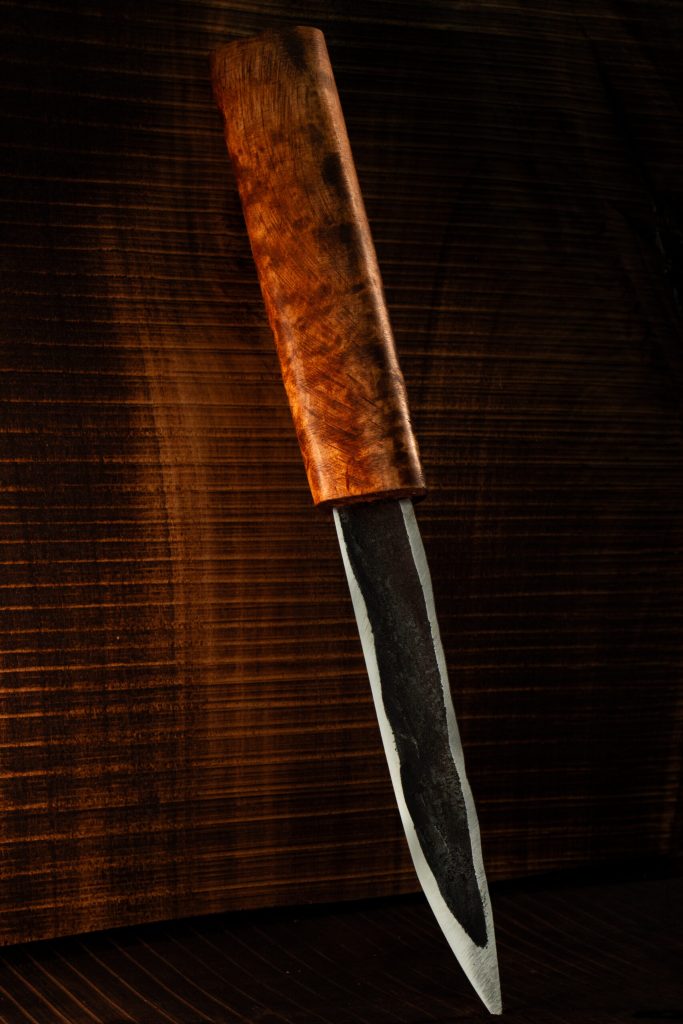
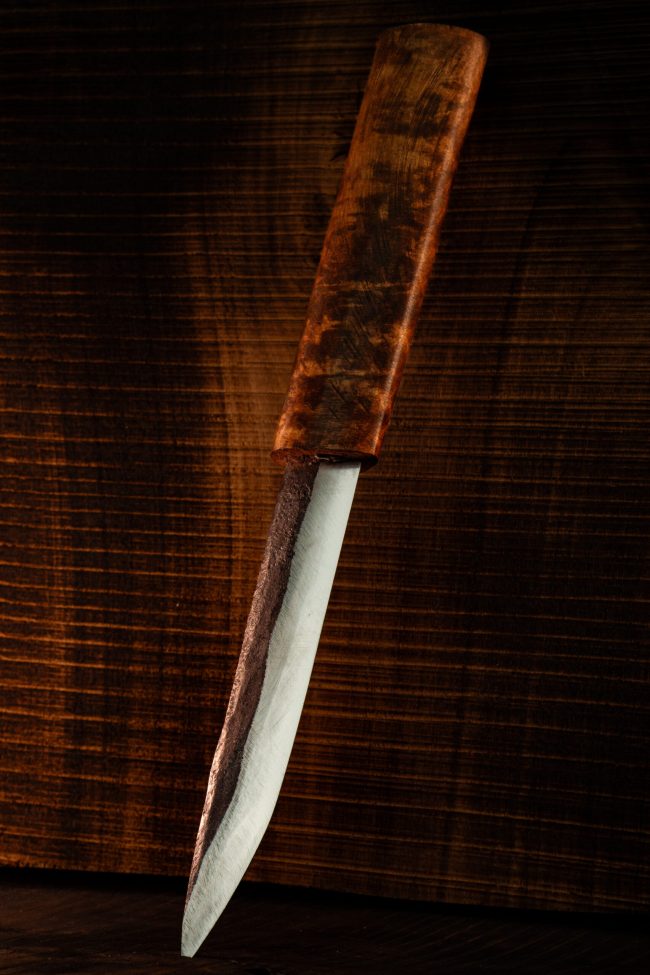
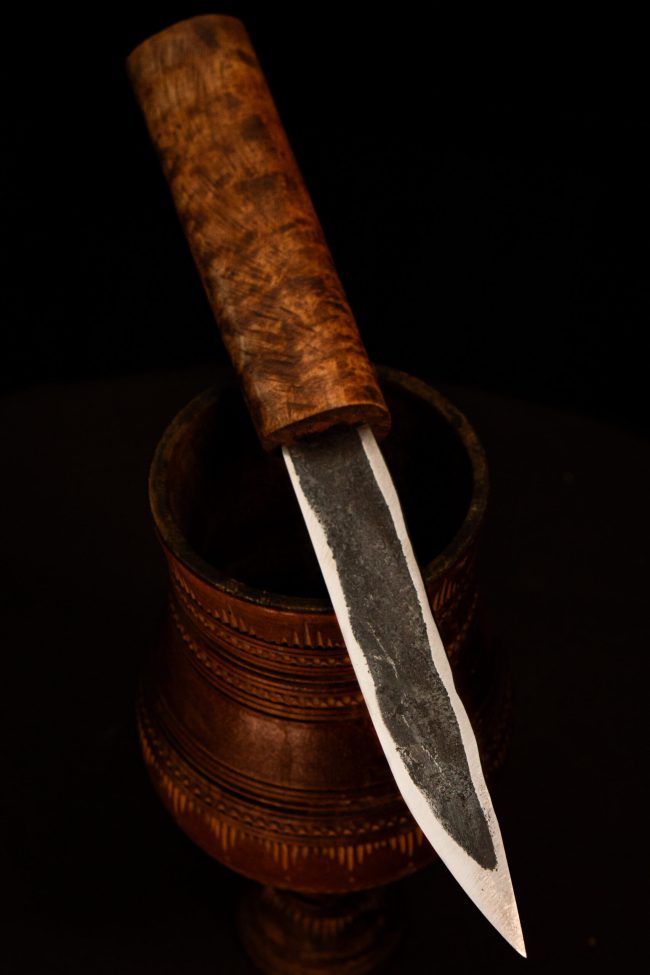
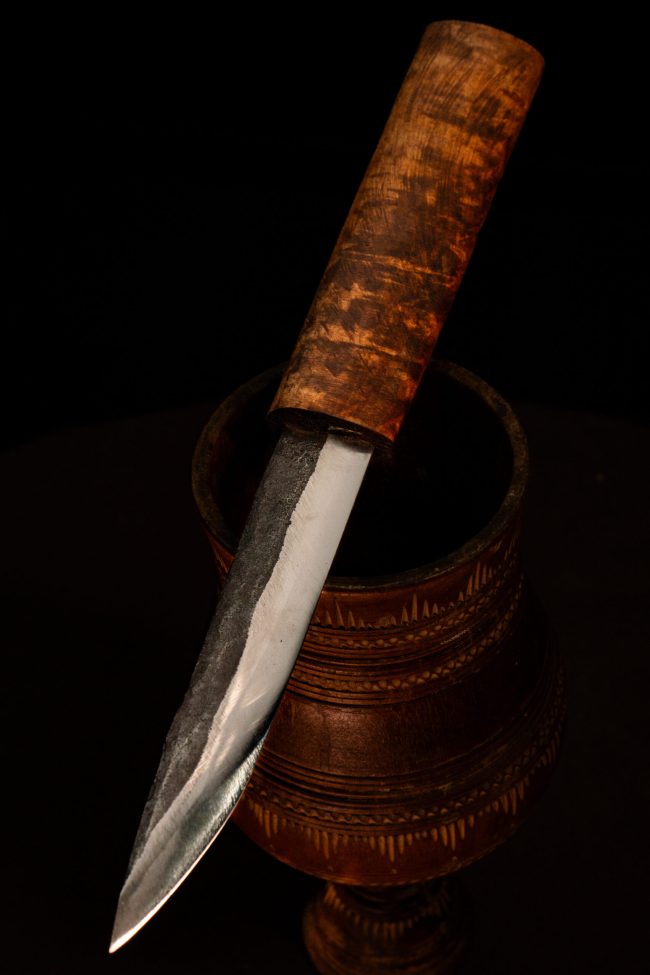
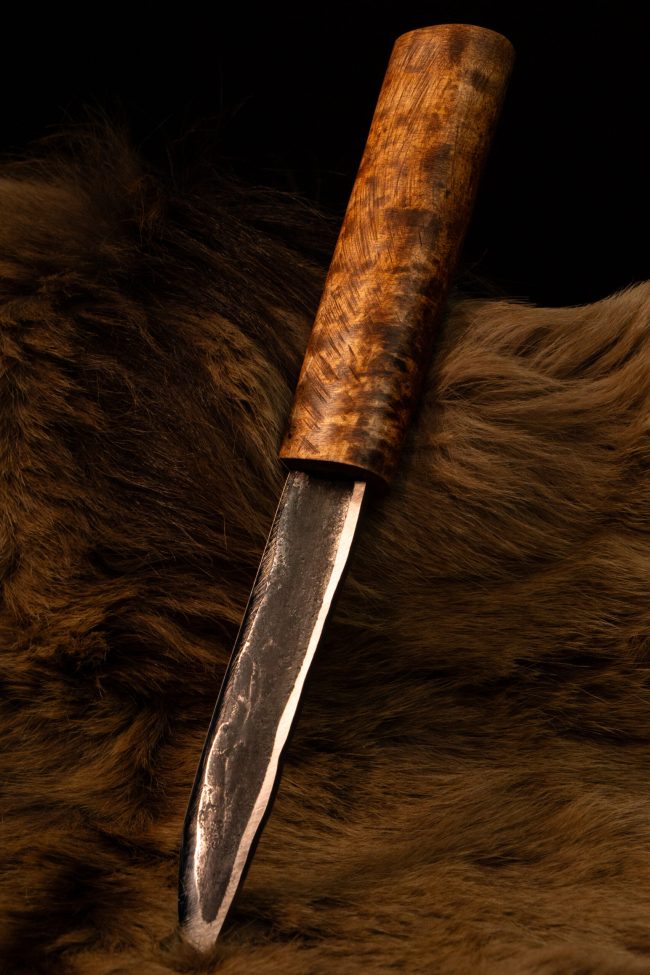
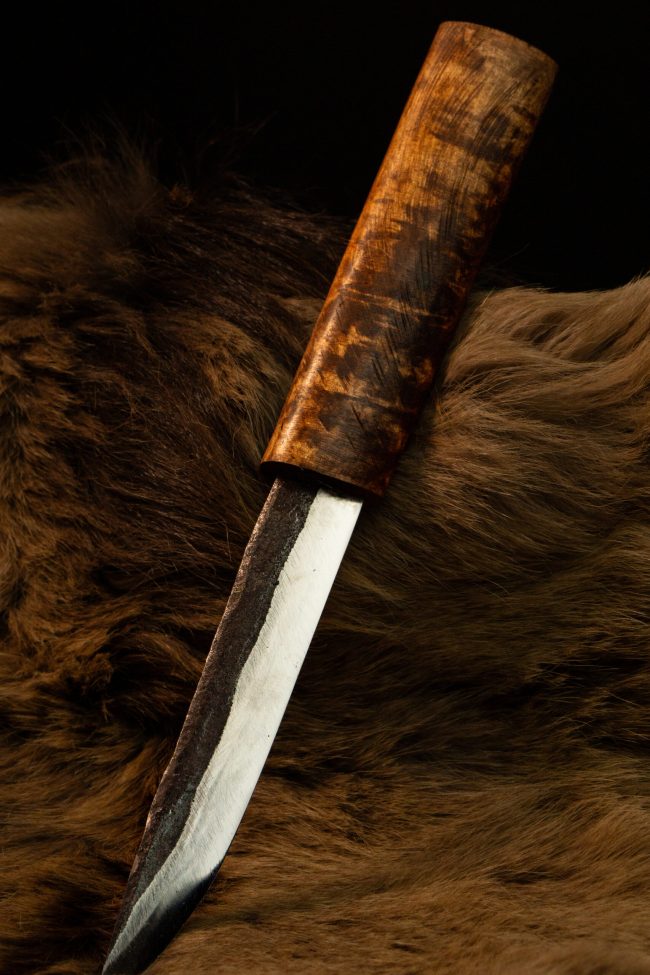
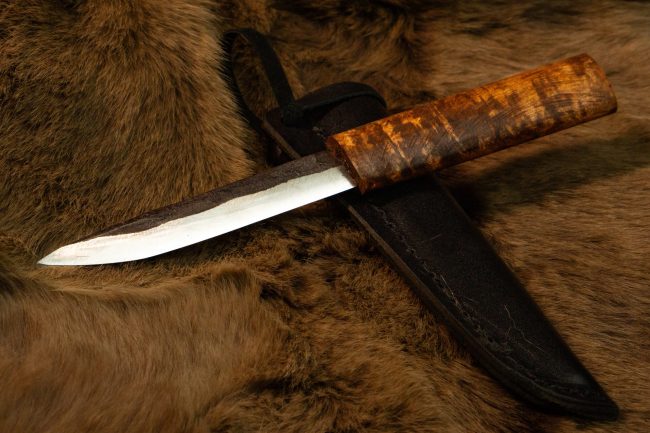
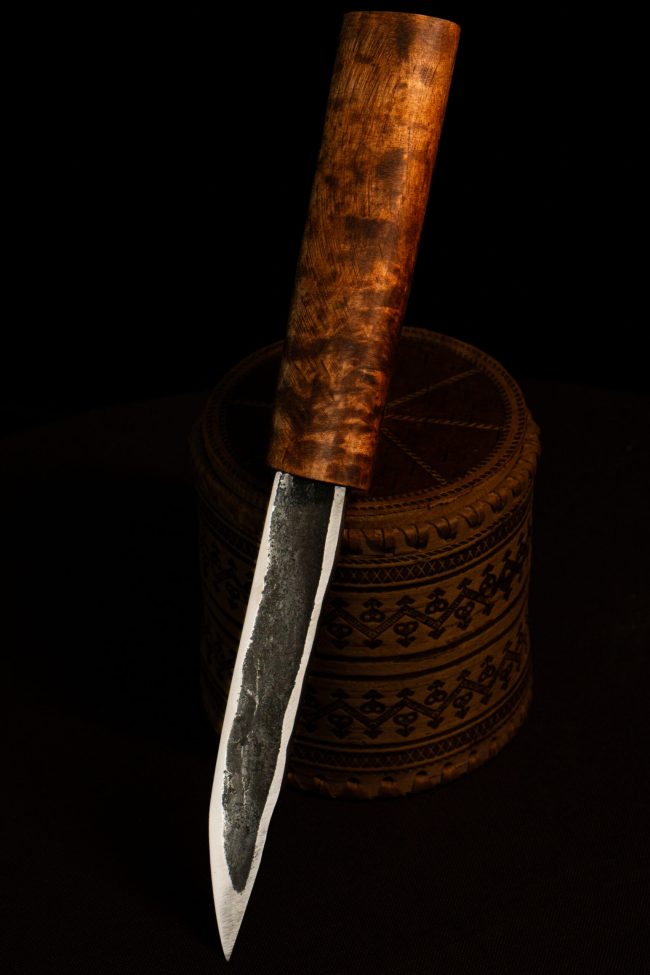
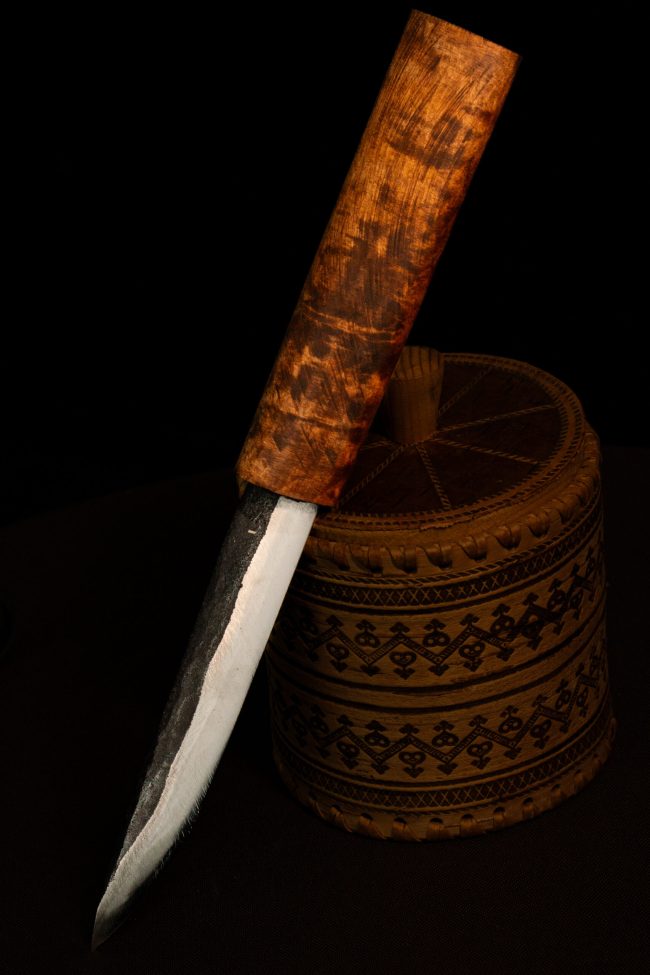
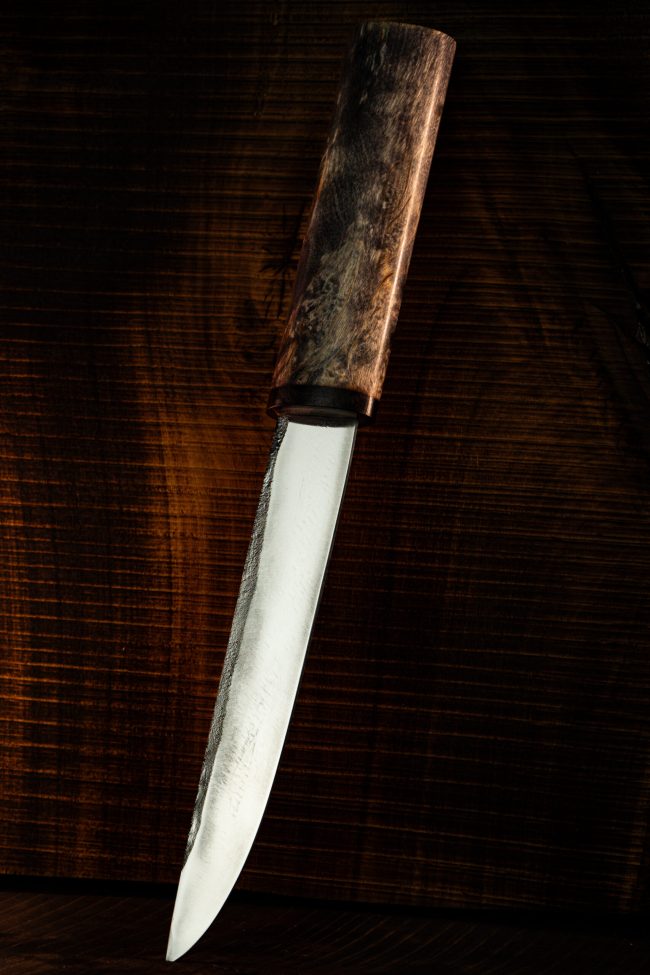
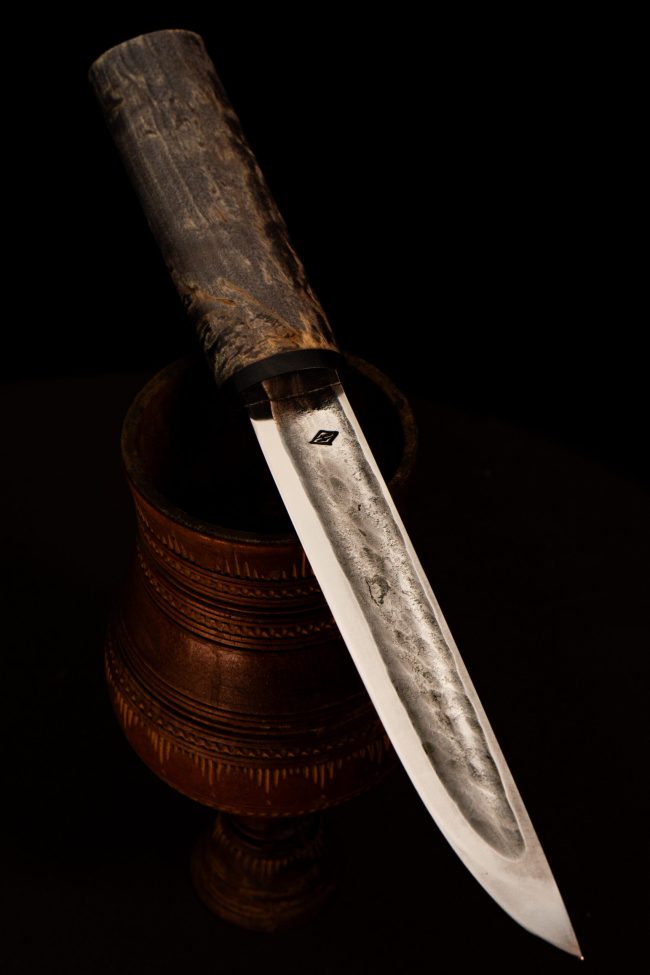
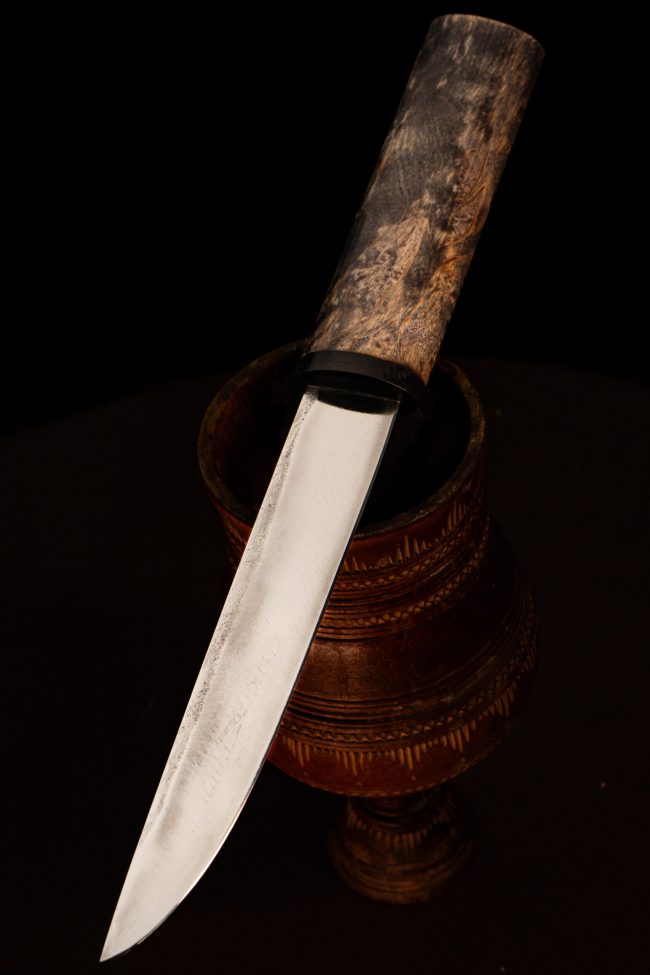
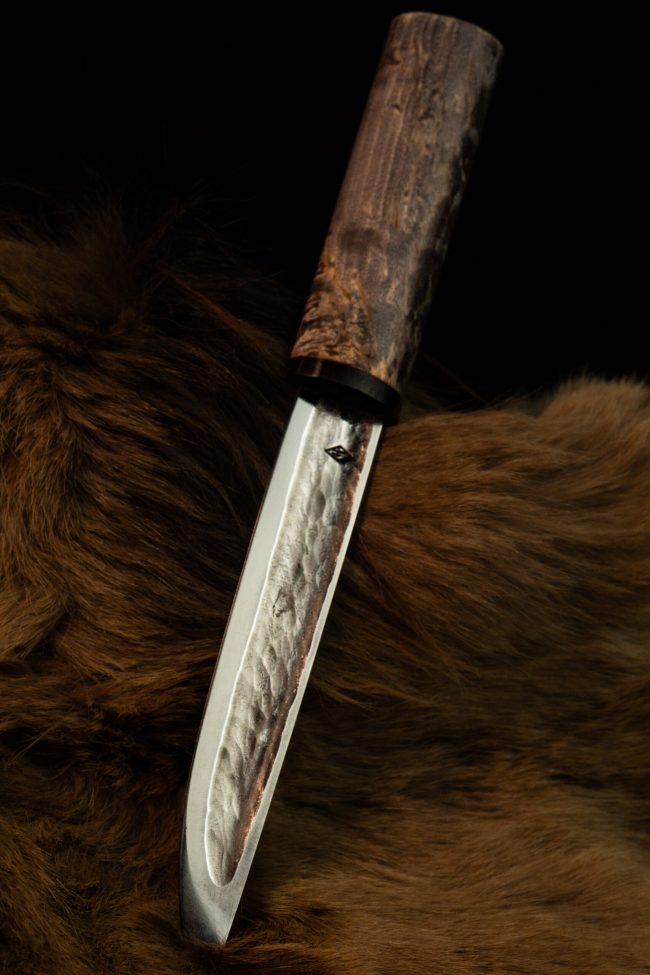
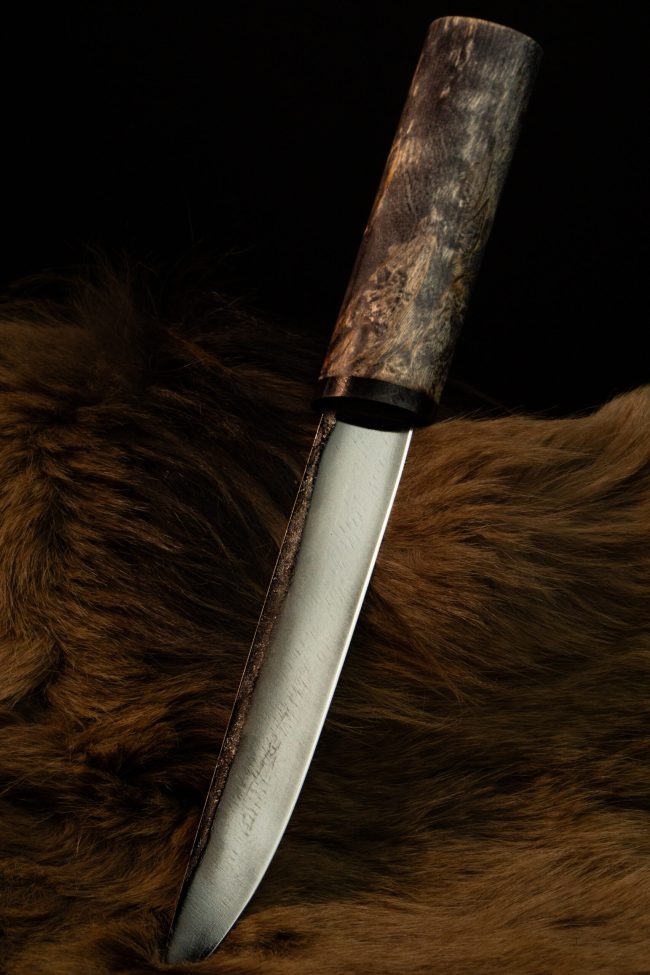
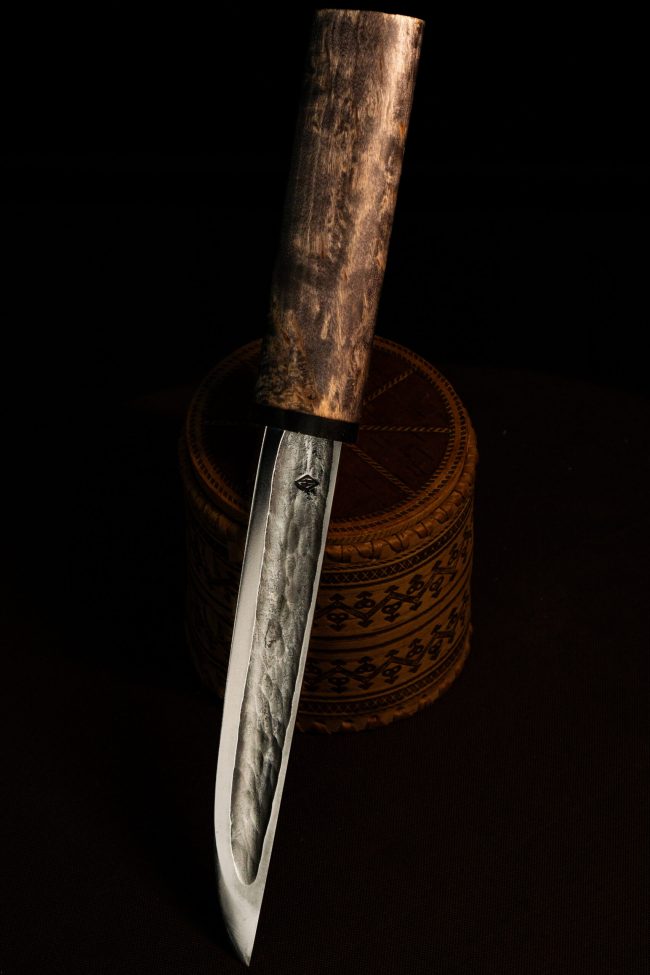
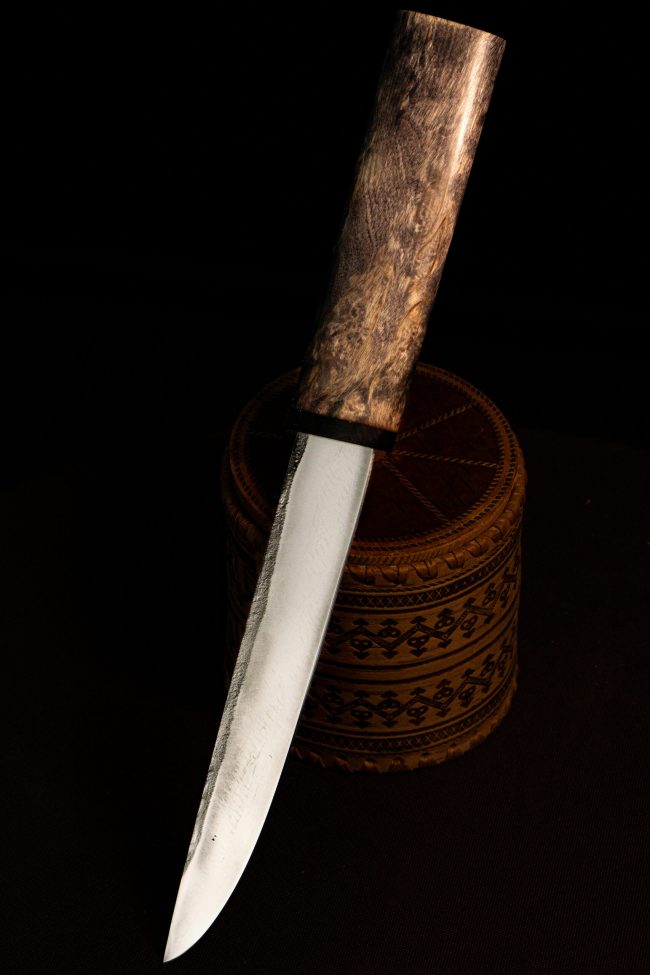
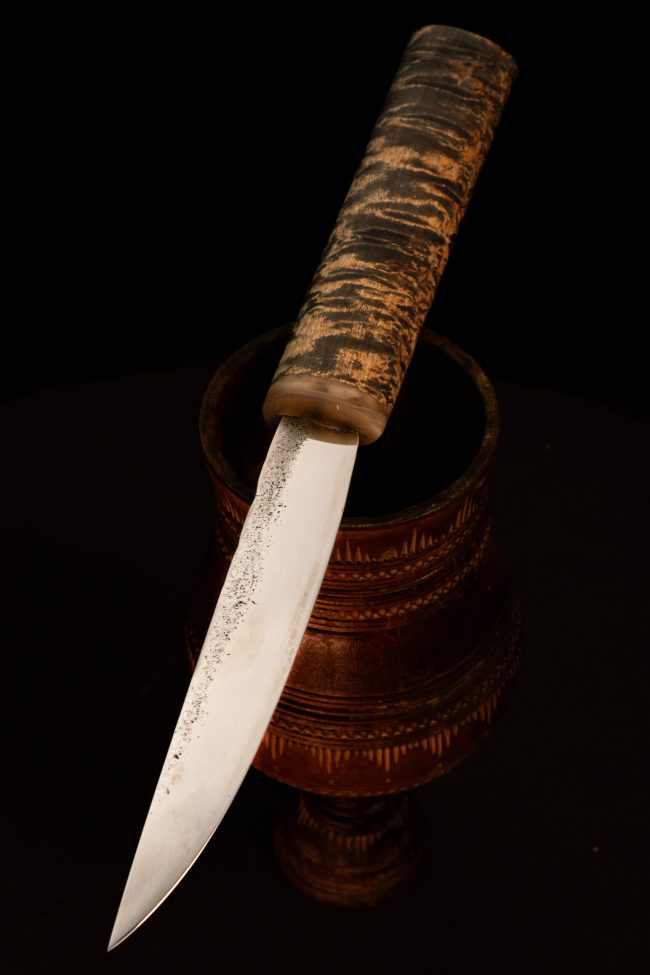
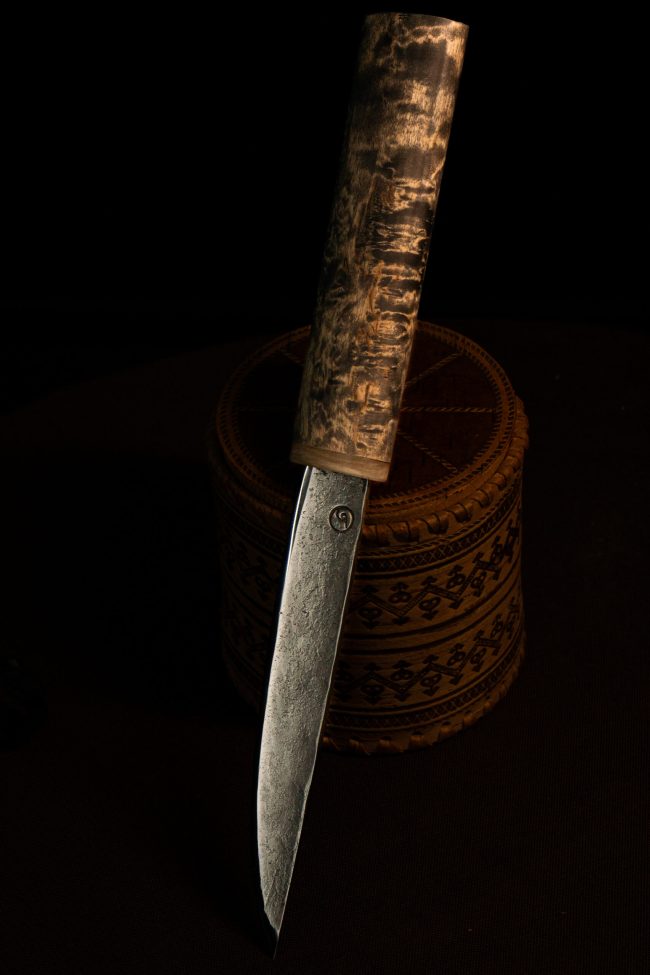
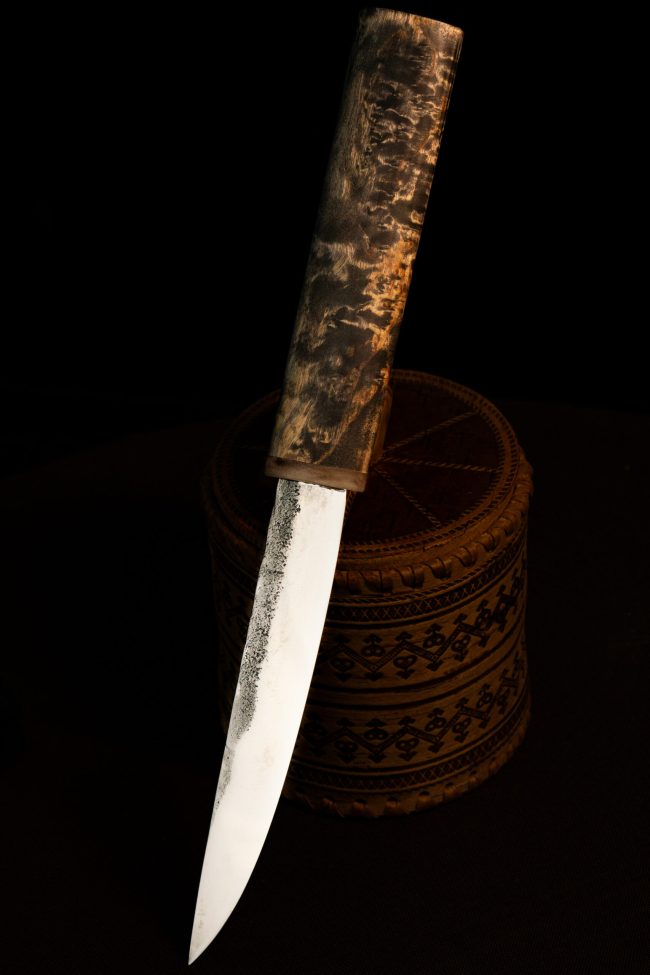
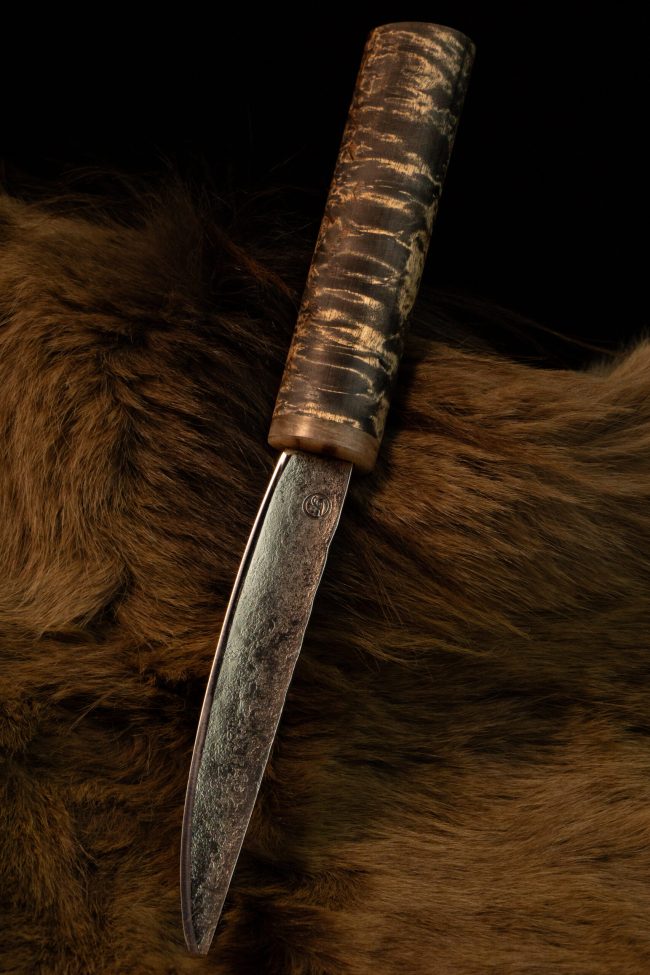
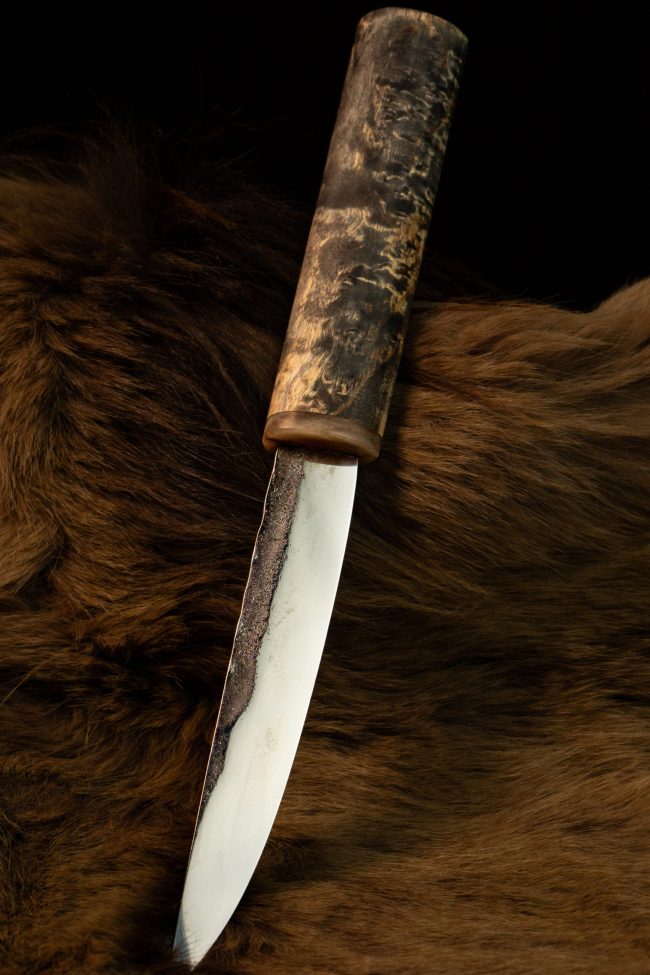
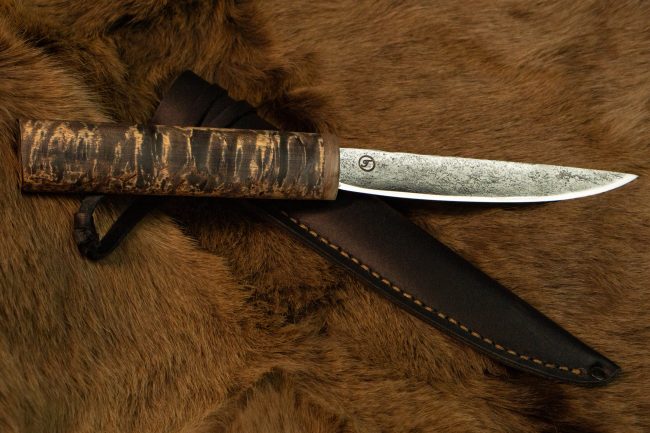
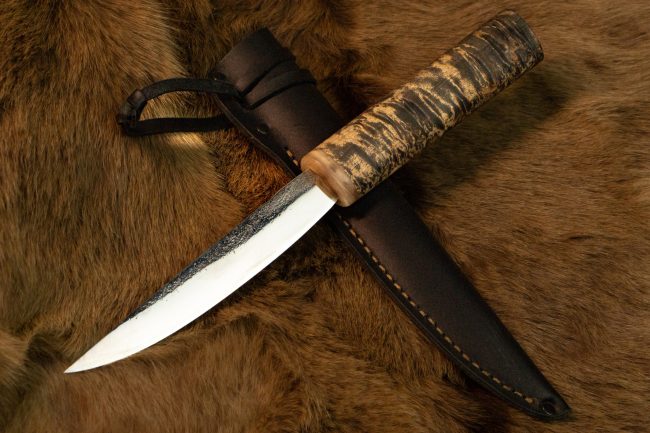
The difference is geometry, not decoration. The blade of a Yakut knife — also called a Sakha knife or Yakutia knife, and bykhakh in the Sakha language — is asymmetric: one face is flat and carries a shallow groove, the dol or single fuller, while the other is gently convex. The fuller breaks the suction, so frozen fish, fatty meat and green wood release instead of gripping, and the blade leaves the cut clean. There is no guard, and the oval handle is meant to be turned in the hand — mittens included.
One thing that follows from that asymmetry is rarely mentioned: the blade is handed. A right-hand knife is ground for the right hand and cuts noticeably worse for a left-handed user. Most knives in this collection are right-handed; the Ancestral Blade is ground for the left. If you are left-handed and want another model, email us before you pay and we will ask the smith.
What blade length you need
- 110 mm (4.3 in) — the compact end: kitchen, fishing, everyday tasks where control matters most.
- 130 mm (5.1 in) — the classic all-rounder: camp, taiga, home, butchering. In doubt, take this one.
- 130–150 mm (5.1–5.9 in) — the longer working blades, at home on the hunt and on heavier butchering.
Every blade in this collection falls between those figures, and the exact length is listed on each product page. Choose for the job, not for the size.
Which steel to choose
There are four steels in this collection, and none of them is best — one of them suits the care you will actually give it.
- 40Kh13 — stainless, forgiving of neglect, easy to sharpen. Water, fish and food are its element, and it is what most of these knives are made from.
- AUS-8 — Japanese stainless, a balanced all-rounder: the edge holds a little longer, the care is just as simple.
- Kh12MF — tool steel, the hardest in regular use, holds a fine edge longer than the rest. Asks to be wiped dry.
- 65G — carbon spring steel: keen in the cut, sharpens on almost anything, takes on a patina over time and likes a drop of oil.
The rule: if you are willing to wipe and oil the blade, take a carbon steel (Kh12MF, 65G); if you want no fuss, take a stainless one (40Kh13, AUS-8).
Handle, sheath, what is included
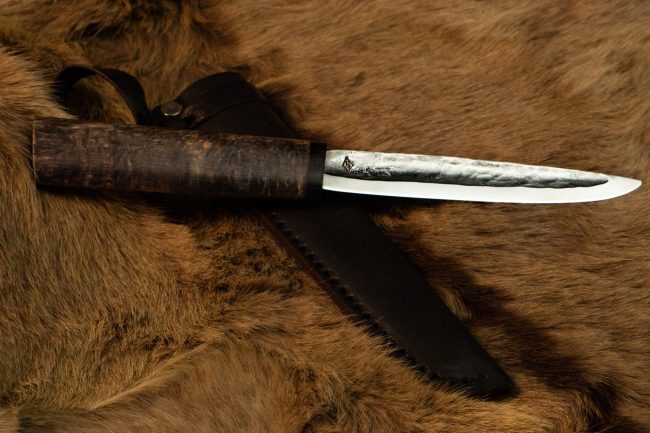
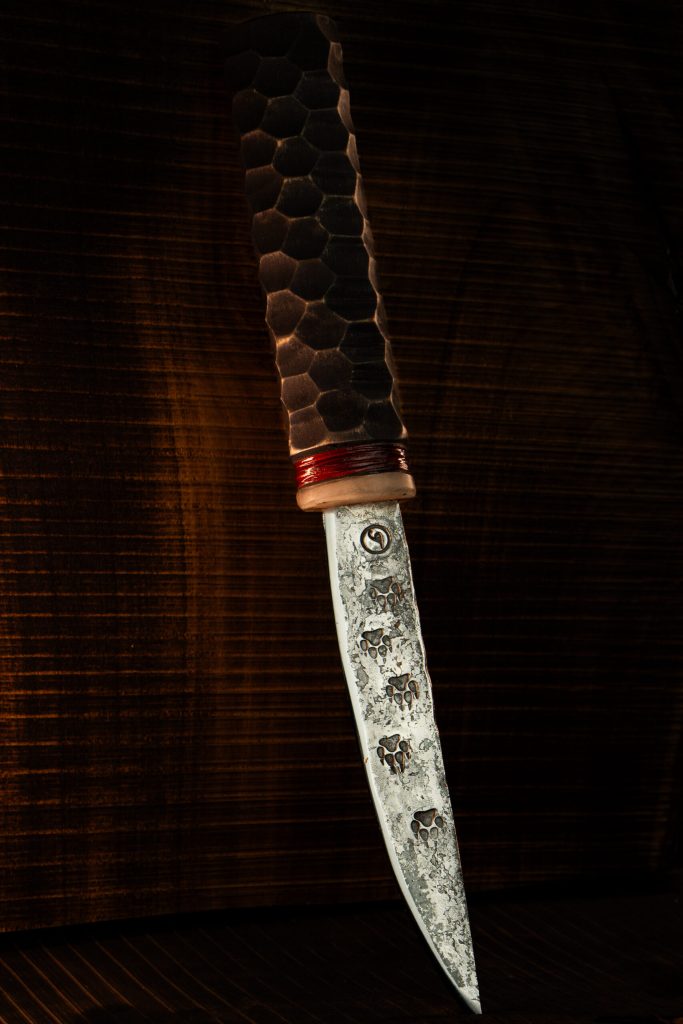
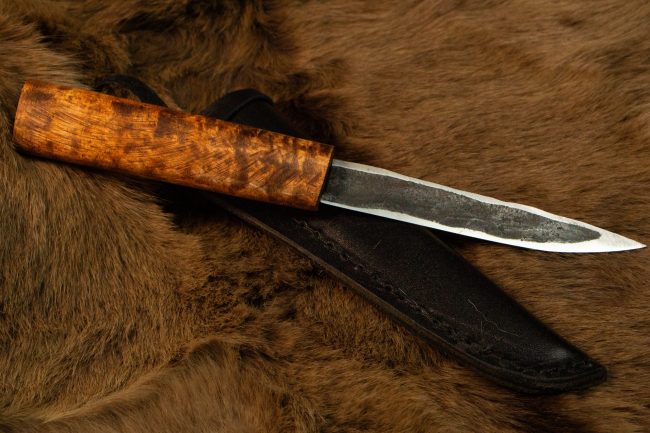
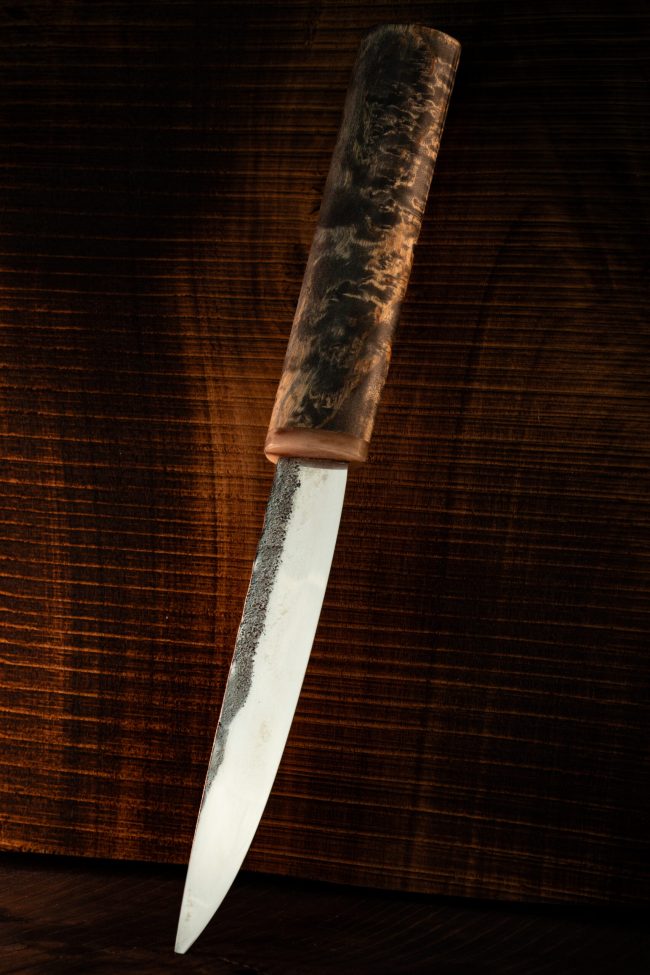
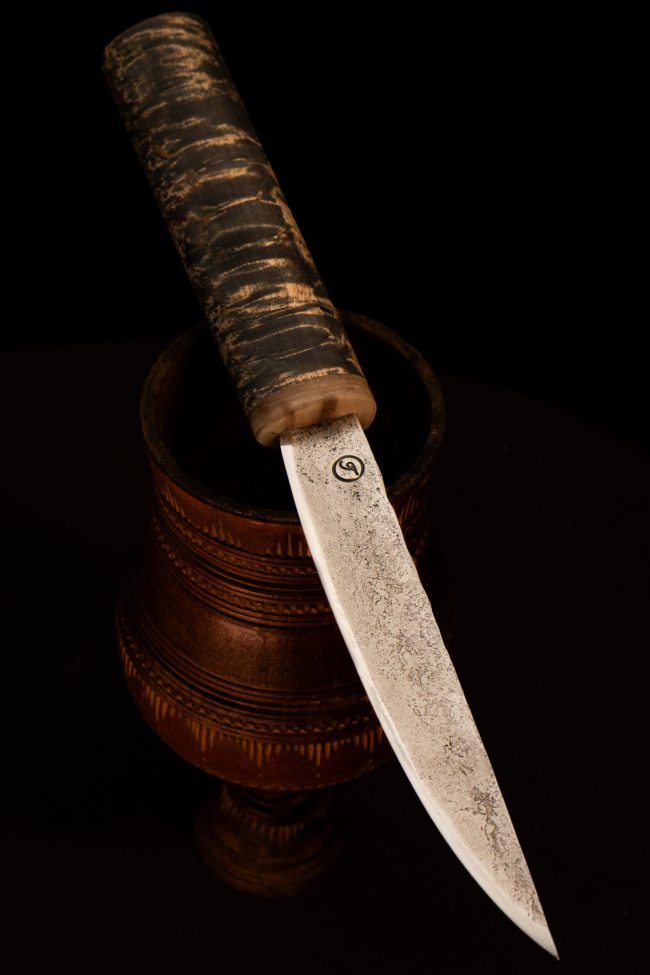
Most handles are turned from Karelian birch — dense, warm in the hand, with a figure no two blanks share; a few are wrapped in braided leather instead. Sheaths are leather and stitched for their own blade. Every knife is forged by hand, so no two are exactly alike. The exact contents of each set are listed on the product page.
How to sharpen it without ruining it
Sharpen the working side and keep the fullered side flat — that is what preserves the asymmetry. A medium and a fine stone plus a leather strop are enough. Do not use powered sharpeners or pull-through V-slot devices: they cut the asymmetry away in a single pass.
Shipping and payment
We ship worldwide from Yakutia by Russian Post with full tracking, a flat $45 per order, and dispatch within 1–3 business days of payment. Cards (Visa, Mastercard) are accepted in US dollars through Robokassa. Orders to the USA under $800 clear duty-free under the Section 321 de minimis threshold. Returns are accepted within 14 days of delivery.
Learn more: what a Yakut knife is · how to choose one · sharpening and care